
PestFacts 29 May 2025
Green peach aphid
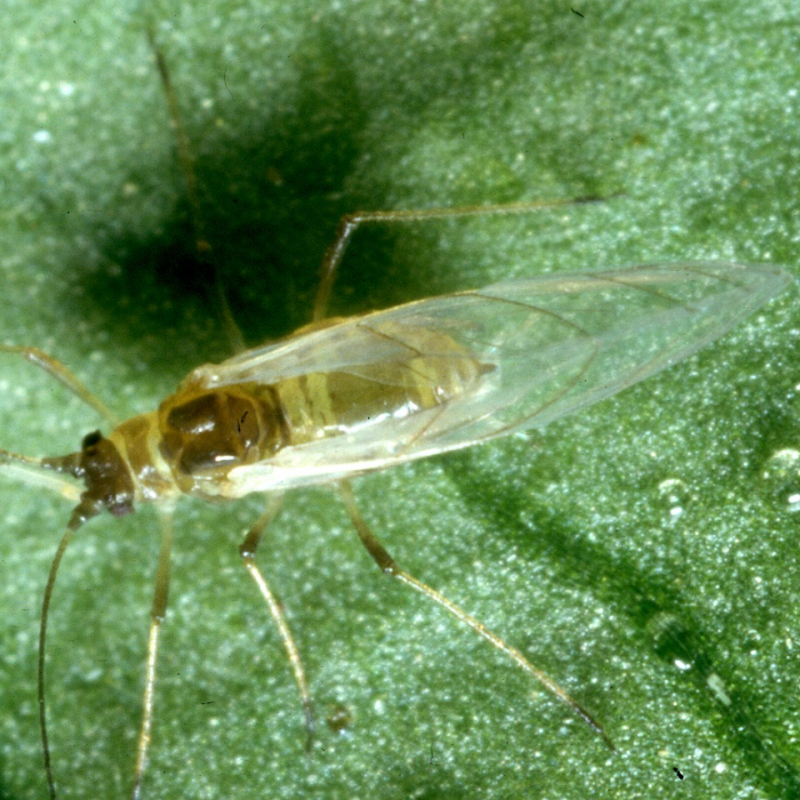
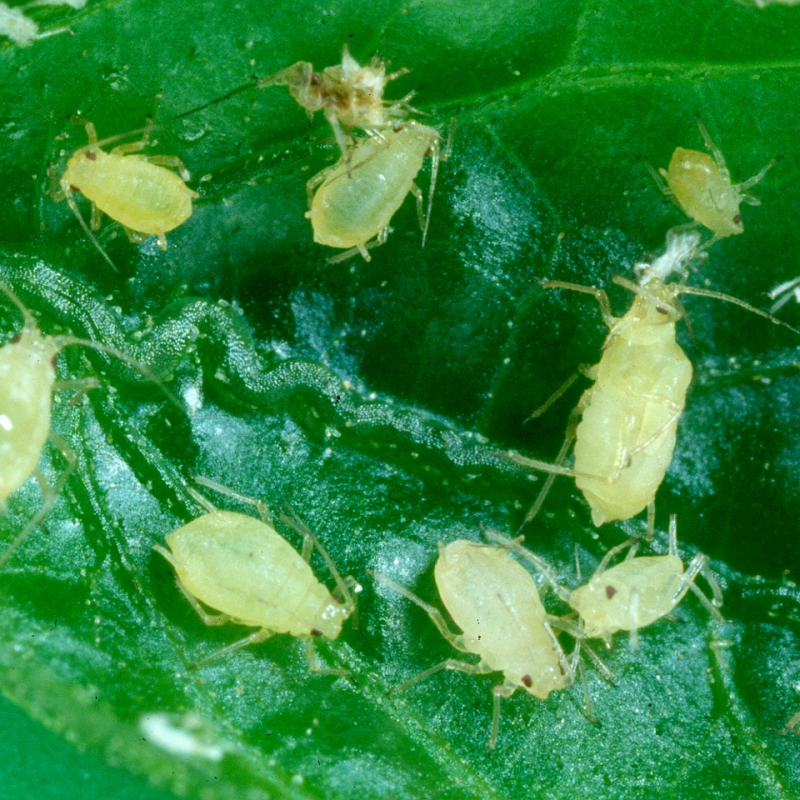
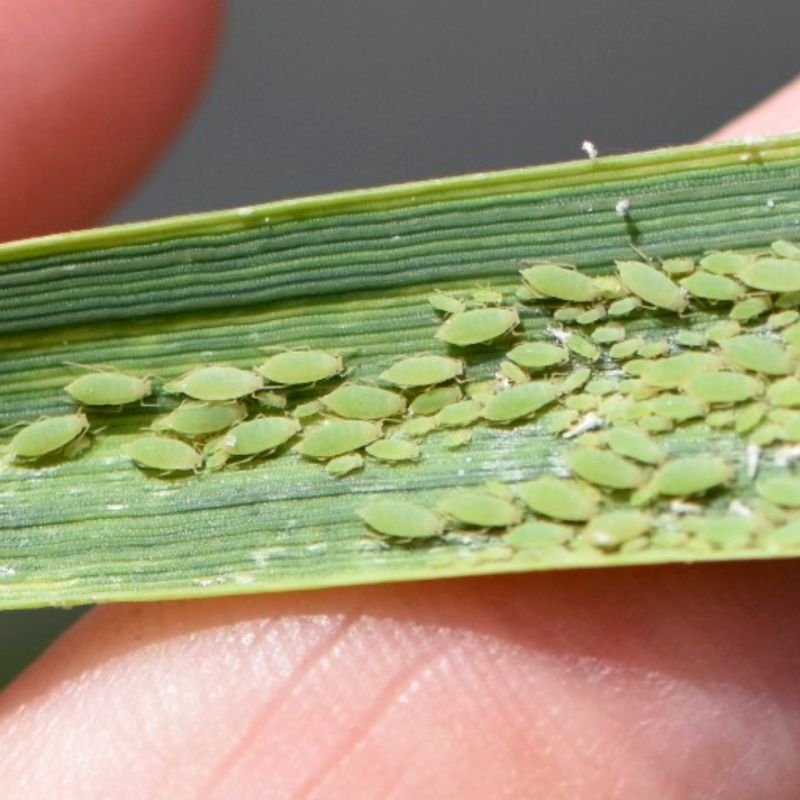
The green peach aphid (GPA), Myzus persicae, is a persistent pest across South Australia and affects a range of horticultural and broadacre crops. Recent reports from some horticulture growers indicate that despite dry conditions and limited growth, GPA populations keep feeding on alternative hosts like irrigated potato. This survival strategy increases the risk of GPA moving onto more vulnerable hosts like canola and pulses as the season progresses.
Watch Cesar's PestBites video on Green peach aphid identification.
Insecticide resistance in green peach aphid
Insecticide resistance is an increasing concern for GPA management. Recent studies reveal GPA populations developed a resistance to many insecticide classes, including synthetic pyrethroids, carbamates, organophosphates, and neonicotinoids. A low-level resistance to sulfoxaflor has also been identified in some populations across Australia.
This growing resistance highlights the critical need for integrated pest management (IPM) strategies to maintain control over GPA outbreaks.
Management strategies
Integrated pest management (IPM) involves regular crop monitoring for GPA presence, focusing on the undersides of leaves where aphids typically live. You can minimise pesticide use with thresholds based on crop growth-stages and aphid counts.
Cultural practices, like effective weed management, can reduce alternative hosts that sustain GPA populations. Crop rotation can also disrupt the pest’s lifecycle, reducing the likelihood of large-scale infestations.
Biological control like conserving and encouraging natural enemies like ladybirds, lacewings, and parasitoid wasps can significantly suppress GPA populations. Where natural predator levels are low, increasing beneficial species numbers can provide targeted control, reducing the reliance on chemical treatments.
For more detailed guidance, see:
Early season crop-monitoring
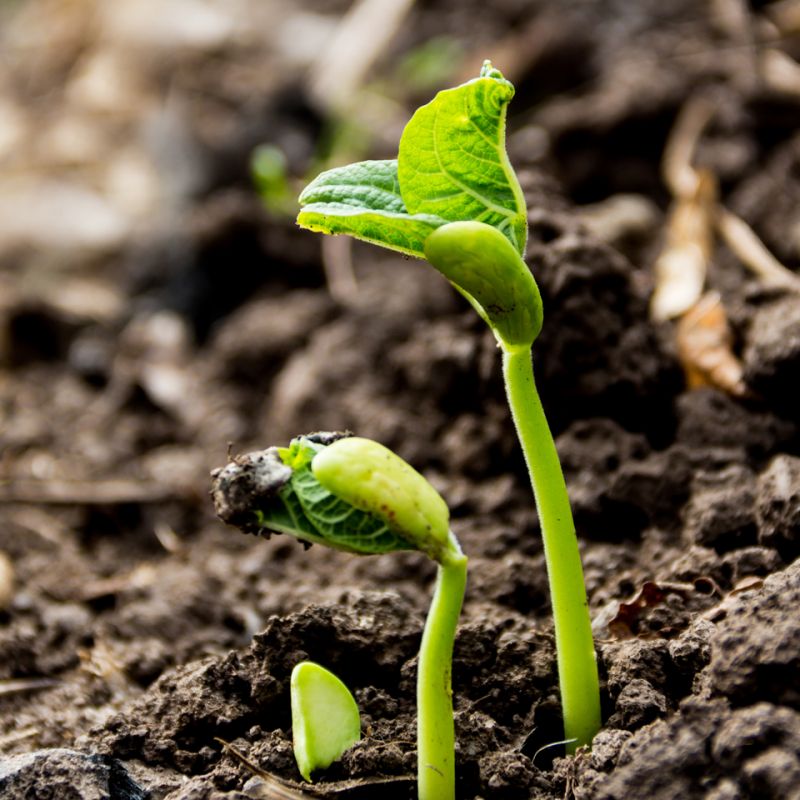
Emerging crops can face a range of insect threats. Chewing pests, like weevils, cutworms, and earwigs, cut plants off at the base. Sap-sucking insects, like aphids and thrips, weaken growth.
Regular inspections help catch these issues before they escalate. Correctly identifying problems isn't always straightforward, however, as different insects can cause similar damage and may not always be visible during the day.
Keeping a close eye on newly emerging crops is crucial, especially in the first 3 to 5 weeks, as that's when young plants are most vulnerable to insect damage. Although the current dry conditions keep pest activity lower than normal, there is still a risk. In fact, warmer weather can quicken pest lifecycles, allowing populations to build rapidly when favourable conditions return. For instance, green peach aphids and diamondback moths can reproduce quickly under warm, dry conditions, and cause explosive outbreaks if not managed early.
Practical tips for paddock inspections
- Walk the rows: Look for gaps or missing plants and examine the bases for signs of chewing or wilting.
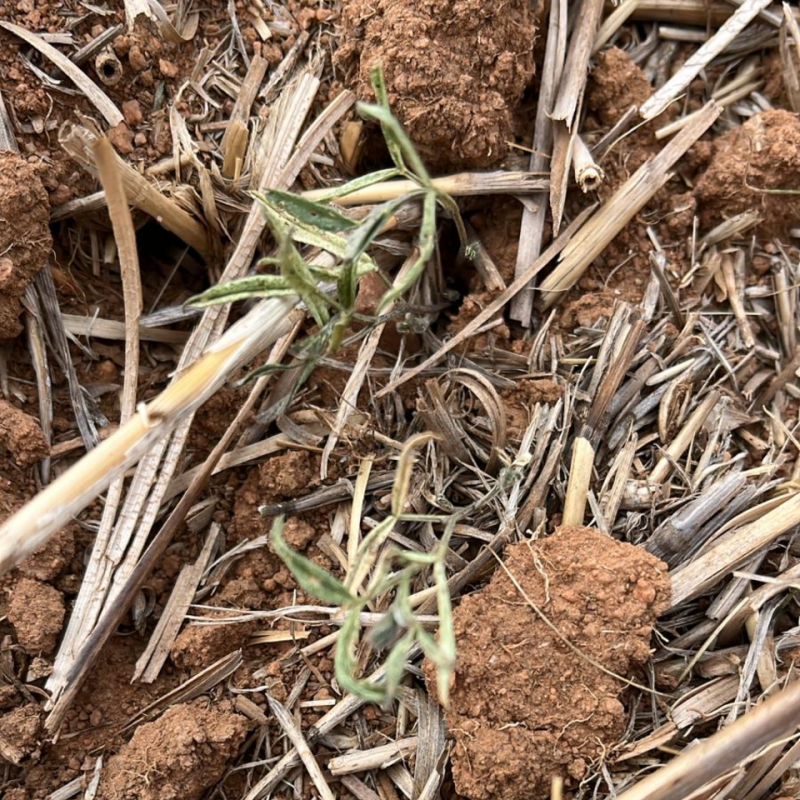
- Search under stubble: Many pests hide beneath crop residue, especially during the heat of the day.
- Understand damage types: Different pests leave distinctive marks based on their feeding habits. Slaters and earwigs often leave rough, irregular damage. Aphids typically cause stunted, yellowing growth.
- Use pitfall traps: These simple tools can be a great way to catch ground-dwelling insects. Reveal nocturnal pests by burying a plastic cup so its edge is level with the soil and add a small amount of water.
If you can't find the problem, consider checking at night when some pests are most active. If damage persists but no insects are visible, it may be worth seeking expert advice or using an identification guide (like the I Spy - Identification manual) to match damage patterns with likely culprits.
For more detailed guidance:
Identifying pests is easier than you think
If you’ve found an unknown insect in your paddock, identification is important for your pest-management strategy. PestFacts SA offers a free identification service, and there are a few ways to make sure experts get the clearest idea of what you’re dealing with.
Sending in specimens
Live samples are often the most reliable method for accurate identification. The journey from paddock to lab can be unpredictable, however, so here’s how to give specimens the best chance at arriving in good shape.
Pack them correctly
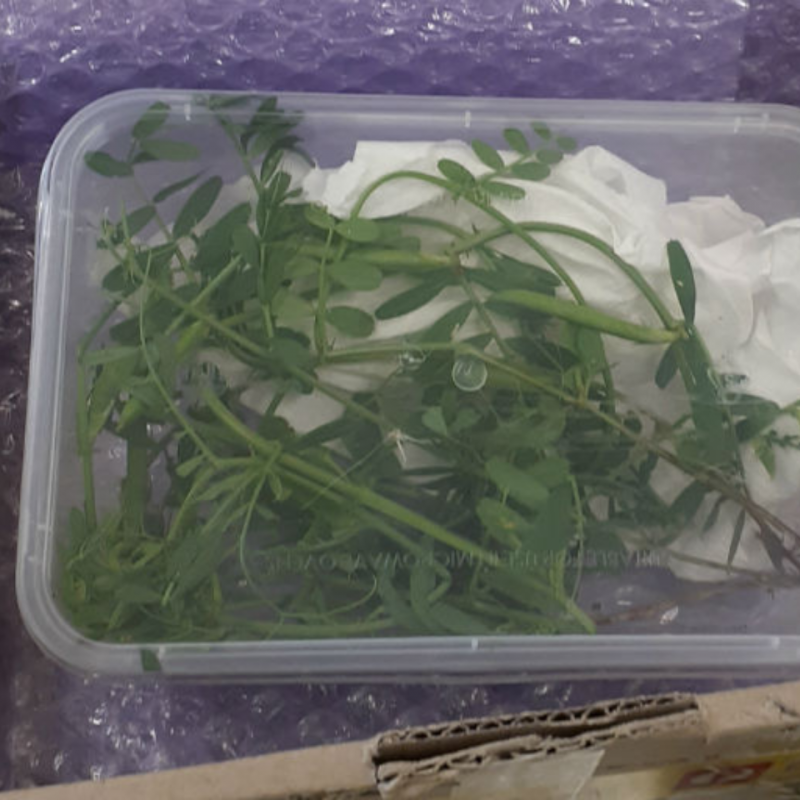
Use sturdy containers like specimen vials or hard plastic containers to prevent squashing in transit. Avoid flimsy takeaway containers that crush easily.
If you don’t have suitable containers, request a pack by emailing Maryam Ehsangar.
Send as many individuals as you can
The more insects you send, the more likely we'll receive them in an identifiable state. For some species, it's necessary to check multiple individuals and, in some cases, there could be many species causing damage at the same time.
We recommend at least 20 individuals, but it's still worth sending specimens if you only have a few.
Provide a food source
Some insects are cannibals when stressed. Include some of the host plant they were found on so they're less likely to eat each other. Adding a tissue or paper towel can help prevent the plant material from going mouldy.
Don't add air holes
Insects are small and containers without air holes work just fine. Holes can actually be an escape route!
Provide details
The more detail about the specimens, the better. Always provide:
- an indication of locality and host plant (if not otherwise obvious from the food source)
- your information so we can get back to you.
Timing matters
Post the specimens early in the week (Monday, Tuesday, or Wednesday) and use express post if you can. This reduces the risk of your sample sitting around over the weekend.
Where to send your specimens
Send your specimens to:
Maryam Ehsangar, PestFacts SA
Waite Building, Room E110C, 1st Floor East Wing,
Waite Road, Urrbrae SA 5064
Snapping photos
Photos are a quicker, more convenient way to get a second opinion on what’s in your crop, but they come with their own set of challenges. Here’s how to get the best results.
Keep your distance
Most smartphone cameras struggle up close. It’s better to take a slightly zoomed-out and sharp shot you can crop later, rather than a blurry close-up.
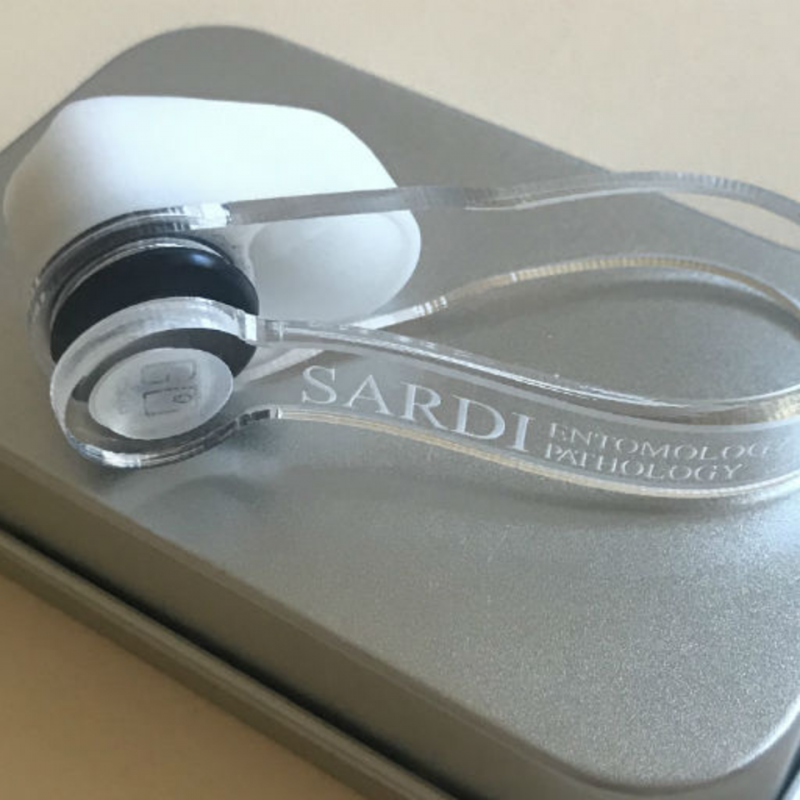
Use a macro lens
There are many attachable lenses available for smartphones and are an easy way to take macro photos of insects and mites with your phone. They're great for capturing the tiny details that make all the difference in identification.
Include a scale
Put a coin, pen, or other common object in the frame to give an idea of the insect’s size.
Show all sides
Insects can have important identifying features just about anywhere on their bodies, so take shots from multiple angles.
Share the context
Let the team know where you found the insect and what it was feeding on. These details can help in narrowing down the options.
Where to send your specimen photos
Send your photos by:
- tagging or messaging the PestFacts SA team on X @PestFactsSARDI.
- emailing Maryam Ehsangar or calling 0448010339
On the radar: Bryobia mite activity
We received reports of Bryobia mite activity in northern South Australia and northern Victoria in the last fortnight.
Bryobia mites thrive in warm, dry conditions and are often active earlier in autumn than other mite species. This year’s extended dry and warm autumn supported their activity, and crops already under moisture stress are more likely to suffer damage from their feeding.
Also known as clover mites, Bryobia mites are small, sap-sucking pests characterised by their flattened bodies and distinctively long front legs, which can be 1.5 times the length of their body. They tend to affect pastures, cereals, canola, and legumes, particularly during early crop establishment. They feed on the undersides of leaves, which results in silvering or bleaching of plant tissue.
Regular paddock monitoring is essential, especially in areas with a history of pasture or volunteer host plants, where infestations are more likely to develop.
For more detailed identification and management advice, check the following resources:
PestFacts and pesticides
You may notice PestFacts SA avoids mentioning specific pesticide products in our newsletter. While we occasionally reference external documents that do, this information can quickly become outdated.
Our goal is to support growers in making informed pest-management decisions, but one essential step is to always check if a pesticide is registered with the Australian Pesticides and Veterinary Medicines Authority (APVMA) before applying it.
For the most accurate advice, consult with your agronomist and check the APVMA website for up-to-date product registrations.
Report to PestFacts
The PestFacts SA team always wants to know what invertebrates you find in your crops and pastures, whether it's a pest, beneficial, or unknown species. We even want to know about the usual pests.
Please send your reports or identification requests via the PestFacts map.
Alternatively, please contact:
Maryam Ehsangar
Phone: 0448 010 339
Email: maryam.ehsangar@sa.gov.au
Maarten van Helden:
Phone: 0481 544 429
Email: maarten.vanhelden@sa.gov.au