

PestFacts 17 July 2025
Russian wheat aphid (Diuraphis noxia)
Since its discovery in South Australia in 2016, Russian wheat aphid (RWA) has been found widespread in cereal-growing regions of South Australia, Victoria, New South Wales, and Tasmania.
Given the very dry summer in SA, we don’t expect significant RWA build-up locally, however autumn populations may have increased in other states where summer rainfall was higher than usual. With aphids capable of migrating, ongoing monitoring is important.
Although RWA doesn’t spread viruses, heavy infestations can still cause significant yield losses in wheat, barley, and other cereal grains. The aphids feed by injecting toxins into the plant, leading to symptoms like chlorosis and necrosis of infested leaves and, in some cases, dead patches in the crop. Severe feeding can also affect head development and sometimes lead to plant death.
How to identify Russian wheat aphid
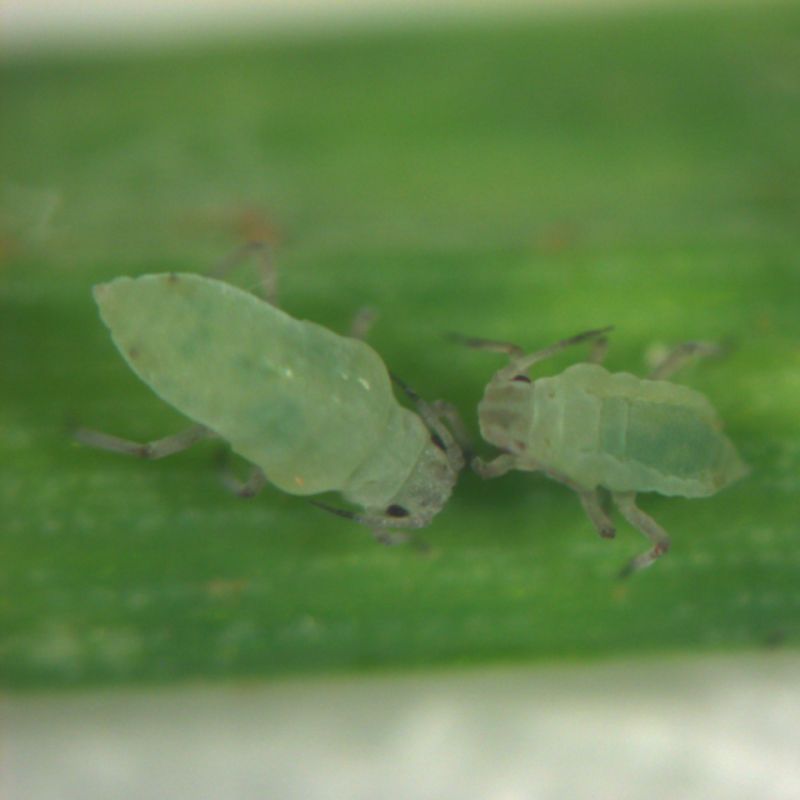
Growing up to 2mm long, RWA are small and pale green with an elongated, spindle-shaped body. They're easily distinguishable from other aphids due to their smaller size, short antennae, lack of visible siphunculi (exhaust pipe-like structures), and their generally elongated shape.
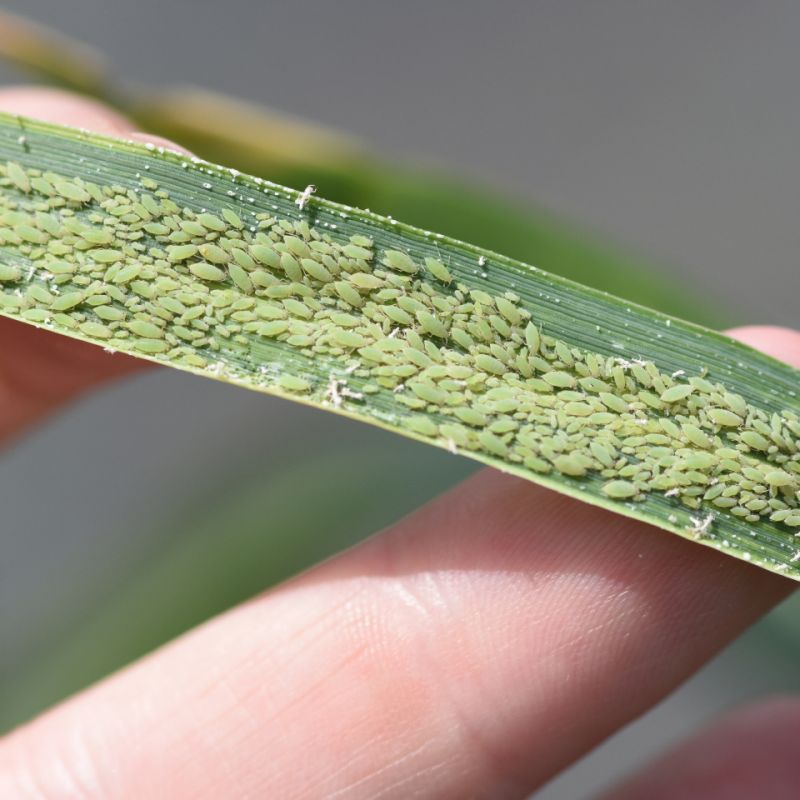
RWA often appear with a fine, whitish, waxy coating. In the early crop stages, most aphids are wingless and remain within the crop canopy. Approaching ripening, more winged aphids (alates) develop. Although weak flyers, winged forms can disperse over long distances by wind currents.
Winged adults are darker in colour, with dusky markings (especially on the thorax), and have body-length antennae, making them stand out from the wingless forms.
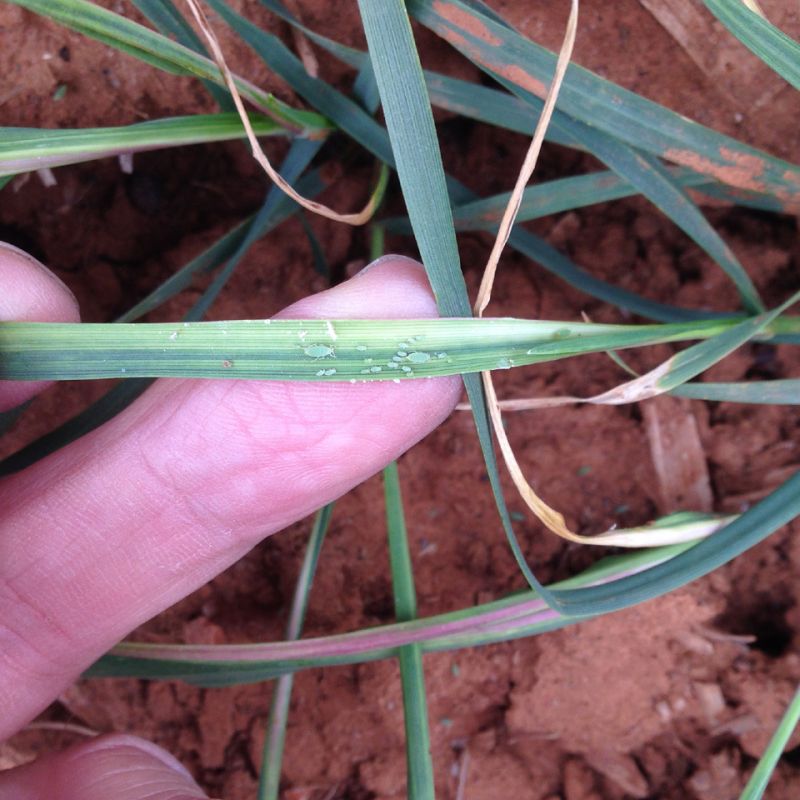
RWA is often easiest to detect by observing plant symptoms. When scouting, look for leaf striping, rolled leaves, and reddish discolouration, especially along crop edges where infestations commonly begin.
The only other green aphid likely to be found on cereals is the rose grain aphid, which can be distinguished by a darker green line along its back, prominent siphunculi (exhaust pipes), and much longer antennae. Unlike RWA, it does not cause visible plant symptoms.
See Cesar's PestBites' video on Russian wheat aphid identification for more information.
Monitor
RWA has a broad host-range, though it's mainly grass species both cultivated and weedy. This includes winter cereals like wheat and barley, plus triticale, rye, oats, and a range of pasture and wild grasses.
RWA prefers actively growing plants, making cereal crops vulnerable from early growth stages through to ripening. Monitoring should begin from tillering through stem elongation, with close attention from booting onwards; this is when RWA populations can increase rapidly.
Checking crops at the end of stem elongation, when the flag leaf is out, can help inform decisions about whether you need to take control measures.
Temperature also influences RWA activity and spread. While it can tolerate a range of temperatures and often performs better at cooler temperatures than other cereal aphids, temperatures above 25°C may help slow its population growth. Under lab conditions, RWA can complete a generation in around 20 days at 10°C and 9 days at 20°C, highlighting its potential for rapid build-up under suitable conditions.
In South Australia, monitoring is especially important in lower-rainfall cropping regions and in paddocks with a history of RWA infestations.
Manage
Biological
Parasitoid wasps (Aphidius colemani, A. ervi, Diaeretiella rapae), plus predators like ladybird beetles, lacewings, damsel bugs, and hoverflies can control RWA populations. Environmental factors like rainfall can also reduce RWA. Heavy rain can cause up to 50% mortality. Drying winds, and exposure to predators and parasitoids can also play a big role in keeping RWA populations in check.
Cultural
Key strategies include:
- controlling volunteer cereals and grassy weeds
- delaying sowing to reduce early infestations
- promoting crop vigour and dense canopy growth to limit aphid build-up.
Chemical
When monitoring indicates that RWA populations have reached threshold levels (see the Russian wheat aphid action threshold calculator), chemical control can be an effective management option. Given RWA’s tendency to feed within rolled leaves, insecticides with systemic or fumigant activity are preferred to achieve effective control.
Seed treatments can provide some early season protection against RWA and should only be used where RWA risk is high. Unnecessary use of insecticide increases the risk of resistance.
Always apply insecticides according to label and APVMA permit instructions. Also consider the impact on beneficial insects before making spray decisions.
Read the Russian wheat aphid fact sheet for more information.
Diamondback moth (Plutella xylostella)
The diamondback moth (DBM) is a significant pest of canola, as well as other Brassica oilseed, vegetable, and forage crops. DBM densities in canola vary widely between regions and seasons. Between canola-growing season, the pest survives on alternative brassicaceous hosts and efficiently disperses across the landscape to recolonise winter canola and other crops.
How to identify diamondback moth
Adult DBM are small, grey-brown moths, with a distinctive white stripe forming a diamond pattern on their backs when at rest. They are most active at dusk and during the night, and tend to remain relatively localized within a crop and with limited movement. Females lay over 100 eggs during their lifecycle, typically on the underside of leaves.
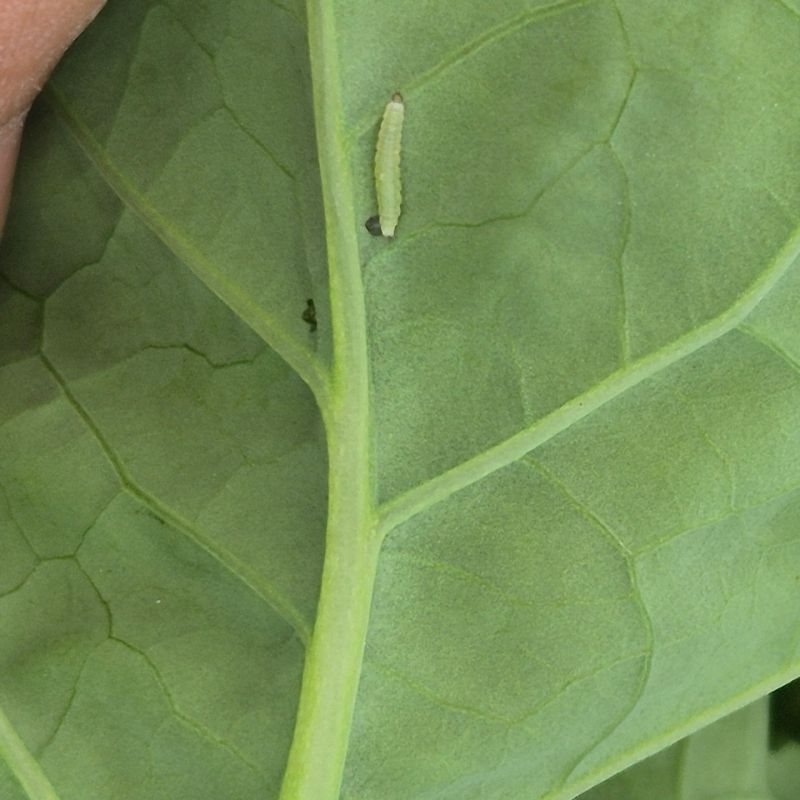
The larvae, pale yellowish-green caterpillars up to 10mm long, go through 4 instar stages before pupating in loose silk cocoons. The 2nd and 3rd instar larvae have a dark head. Pupae are a cream-green colour that darkens before the adult moth emerges. The complete lifecycle can be as short as 14 days in warm conditions, allowing for rapid population increases.
Small DBM caterpillars wriggle very actively when collected, making them easy to distinguish from other green caterpillars like cabbage white and loopers.
Monitor
Monitoring should focus on both crop and non-crop hosts that can support DBM development. Among crops, DBM primarily targets brassica vegetable crops like broccoli, cauliflower, cabbage, turnip, and brussel sprouts, plus forage and seed brassicas like canola.
Keeping an eye on nearby weedy hosts (including wild mustard, radish, and turnip) is also important as these areas often serve as the first source of DBM migration into crops. These weeds, along with volunteer brassicas, form part of the green bridge, helping DBM populations survive between growing seasons, acting as a source of early infestation in nearby crops.
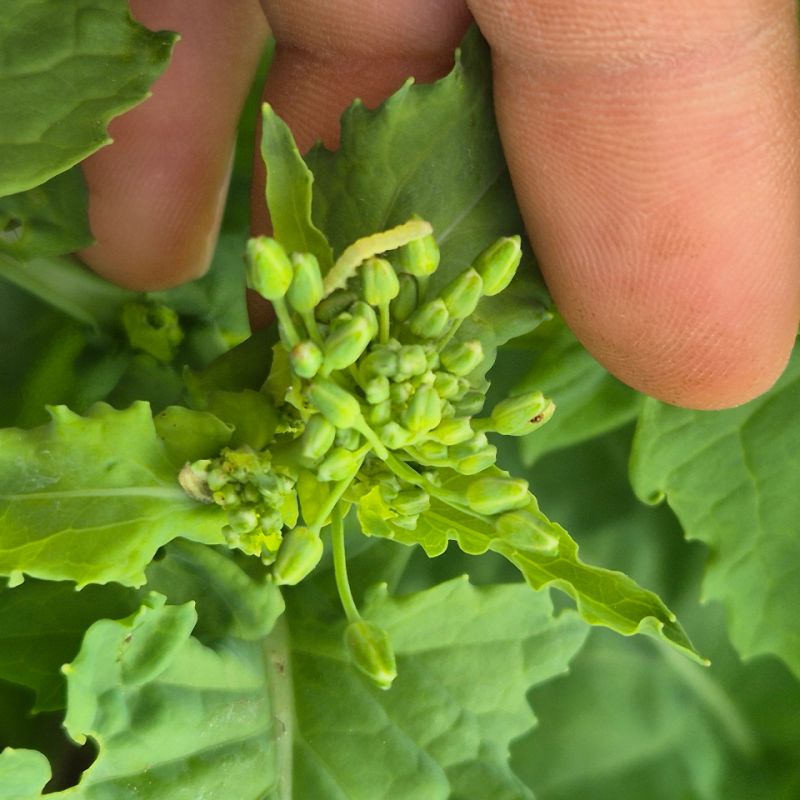
Regular monitoring of plant foliage, stems, flower heads, and pods for caterpillars is essential, especially during late winter, late spring, and early summer when DBM populations can build rapidly. This is particularly important given the warmer conditions experienced in recent seasons, which favoured earlier activity and faster population growth of DBM.
Management
Before deciding on control options, it’s important to check the economic thresholds for DBM to determine if treatment is warranted. Sweep net sampling is the most common monitoring method :
- Pre-flowering: Consider control measures if you find more than 10 larvae per 10 sweeps
- Flowering to podding: Thresholds increase to 50–100 larvae per 10 sweeps
Once you reach these thresholds, we recommend an integrated approach for DBM management.
Biological
Encouraging natural enemies like parasitic wasps (Diadegma semiclausum, Apanteles ippeus) and predators like lacewings and spiders can suppress DBM populations.
Cultural
Removing brassica weeds and volunteer plants reduces breeding sites. Crop rotation and intercropping can disrupt DBM lifecycles.
Chemical
DBM is well-known for its resistance to multiple insecticide groups, including synthetic pyrethroids, carbamates, and organophosphates (source: DRIP). To help manage resistance, it’s essential to follow resistance management guidelines, rotate between chemical groups, and avoid over-reliance on any single action.
Regular monitoring, making threshold-based decisions, and using a mix of control strategies (including biological and cultural methods) will help protect crops and reduce the risk of further resistance development.
Always apply insecticides according to label and APVMA permit instructions. Also consider the impact on beneficial insects before making spray decisions.
For more DBM information:
On the radar: Cockchafer
The PestFacts SA team recently received reports of pasture cockchafer activity in canola on the Eyre Peninsula.
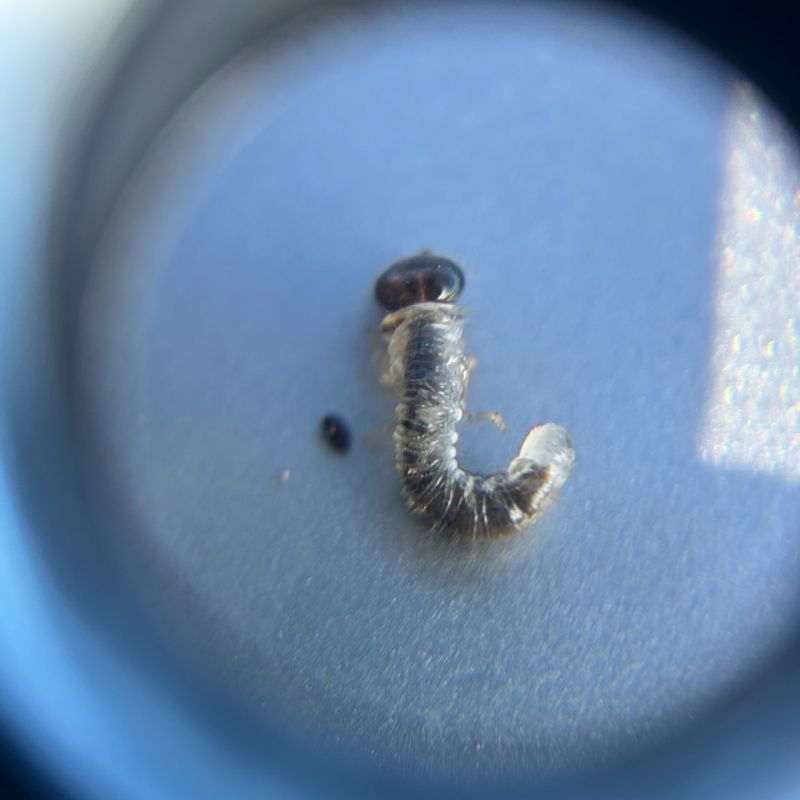
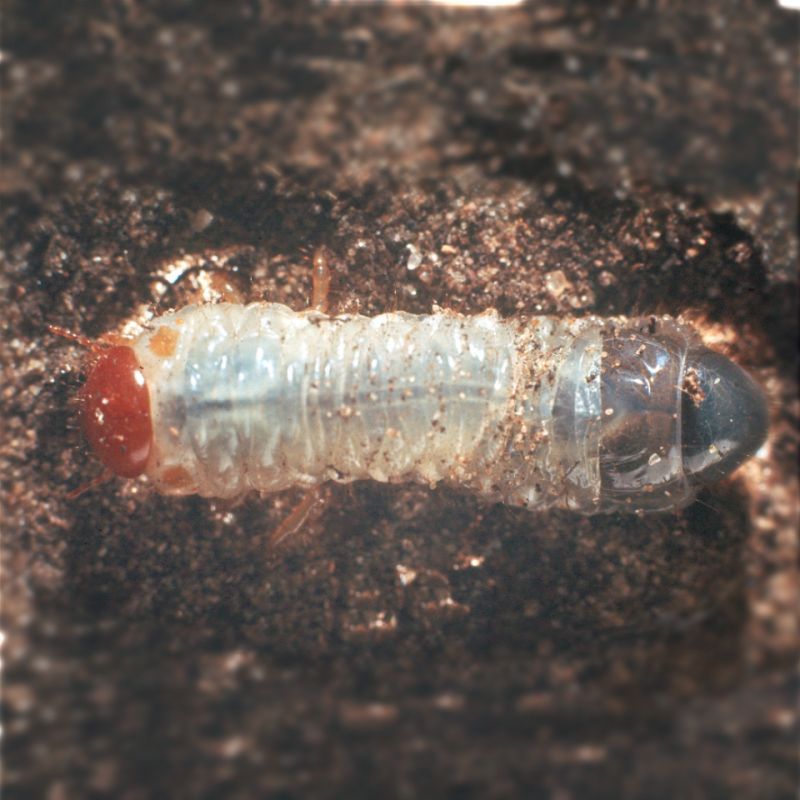
In Australia, several native cockchafer species can impact crops, with the most notable being the blackheaded pasture cockchafer (Acrossidius tasmaniae) and the redheaded pasture cockchafer (Adoryphorus couloni). Both species are recognised pests of pastures and cereals, particularly in higher rainfall regions.
The blackheaded pasture cockchafer feeds at night on seedlings, often dragging severed leaves into tunnels for later consumption. While most damage occurs to pastures during late winter and in cereals at the seedling stage, feeding damage can cause bare patches within paddocks in late autumn and early winter.
In contrast, the redheaded pasture cockchafer has a 2-year lifecycle, with most stages occurring below the soil surface. Adults emerge briefly in late winter to early spring to lay eggs in dense pastures. Larvae feed heavily on roots, especially after autumn rains, with final instar larvae causing most damage in autumn and winter.
High numbers can also cause completely bare patches in the infested paddock, from small, isolated areas to very large areas. Low soil temperatures over winter will slow feeding activity.
Management
Biological
Natural enemies like birds, parasitic wasps, and flies help control cockchafer larvae, especially after cultivation. Soil fungi and nematodes can also reduce populations.
Cultural
For blackheaded cockchafers, cultivate before sowing to expose larvae and maintain enough pasture cover to discourage egg laying.
For redheaded cockchafers, use spring grazing to make paddocks less attractive for egg laying. In paddocks with ongoing issues, consider sowing more tolerant pasture species to reduce long-term damage.
Chemical
Foliar insecticides are available for controlling blackheaded cockchafers and should be applied before June when larvae are surface-active.
Redheaded cockchafer’s larvae live underground and foliar applications of insecticides will not affect the most damaging third instar larva.
Always apply insecticides according to label and APVMA permit instructions. Also consider the impact on beneficial insects before making spray decisions.
Report to PestFacts
The PestFacts SA team always wants to know what invertebrates you find in your crops and pastures, whether it's a pest, beneficial, or unknown species. We even want to know about the usual pests.
Please send your reports or identification requests via the PestFacts map.
Alternatively, please contact:
Maryam Ehsangar
Phone: 0448 010 339
Email: maryam.ehsangar@sa.gov.au
Maarten van Helden:
Phone: 0481 544 429
Email: maarten.vanhelden@sa.gov.au