

PestFacts 1 July 2025
Helicoverpa moths trap network is back for 2025
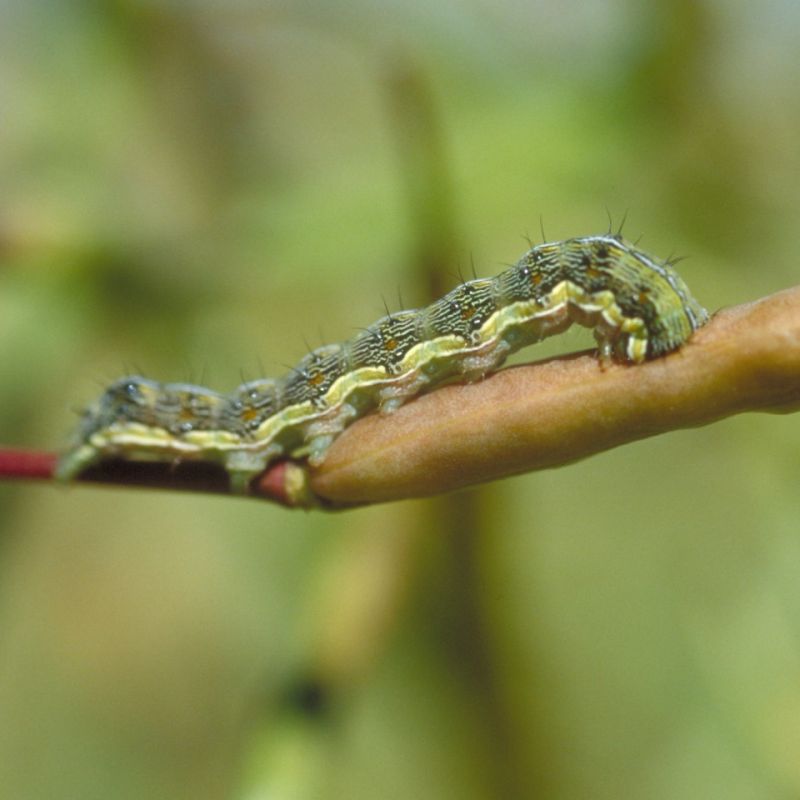
Native budworm (Helicoverpa punctigera) is an Australian native species. It's a significant pest due to its ability to build up large populations on native vegetation during winter. As food sources dry in late winter and spring, the moths migrate to cropping regions, often travelling hundreds of kilometres on air currents. This long-distance migration is why it's considered a major pest in broadacre.
Corn earworm (Helicoverpa armigera), more commonly found in northern and coastal regions, shouldn't be overlooked in South Australia. Warmer conditions in recent years caused an increase in reports of H. armigera in our region. This species is known for its high levels of resistance to many insecticides, so effective management relies on biological control, cultural practices, and the strategic use of suitable insecticides.
When they arrive, Helicoverpa moths lay eggs in a wide range of crops, and the larvae causes damage to wheat, barley, pulses, and canola by feeding on flowers and developing seeds. They also use several weed species as hosts, including common sowthistle, fat hen, and marshmallow, supporting their early lifecycle stages.
While the dry conditions in SA make it unlikely we'll see large numbers, the situation could be quite different interstate, with above-average rainfall recorded in north-east NSW and Queensland. Monitoring for adults becomes even more important under these conditions.
Check rainfall in your area on the Australian Bureau of Meteorology website.
Trap network
The SARDI Entomology Helicoverpa moths trap network will help identify when Helicoverpa flights happen this spring. Understanding the timing of moth flights can provide:
- early warning of potential caterpillar activity in crops
- insight as to when you should monitor for target-size caterpillars
- support for timely monitoring and management decisions.
At each location, we will separately trap the 2 common Helicoverpa species:
- Native budworm (H. punctigera)
- Corn earworm (H. armigera)
We'll provide weekly updates of moth-trapping data during spring. Watch the PestFacts X account for updates when we finalise the network.
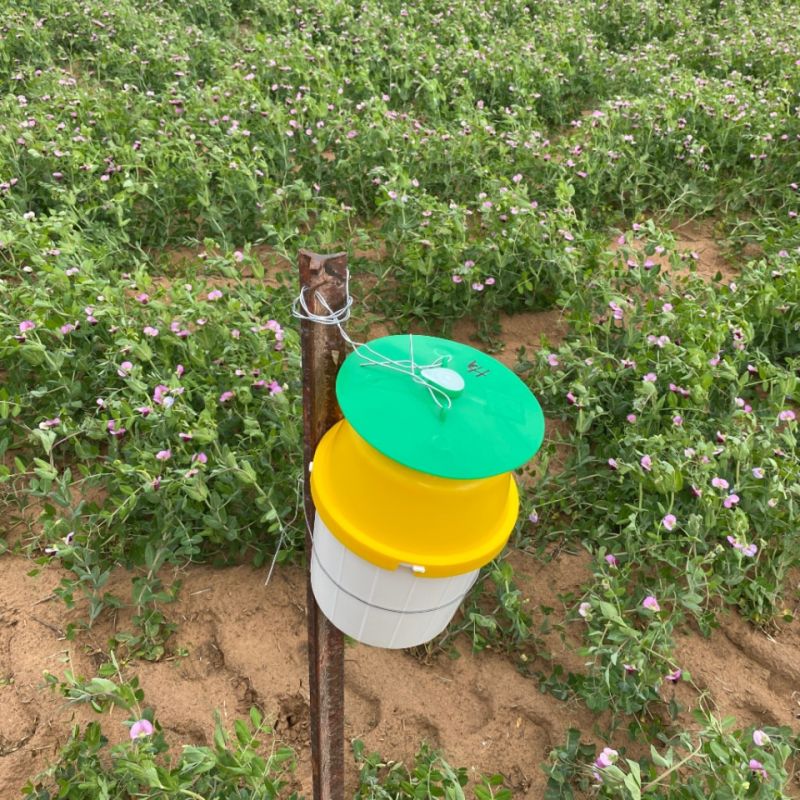
Being a part of our trapping network includes setting up two pheromone bucket traps for weekly monitoring of moth numbers captured.
Email Maryam Ehsangar for more information or if you'd like be part of the trapping network this spring.
On the radar
Native millipedes
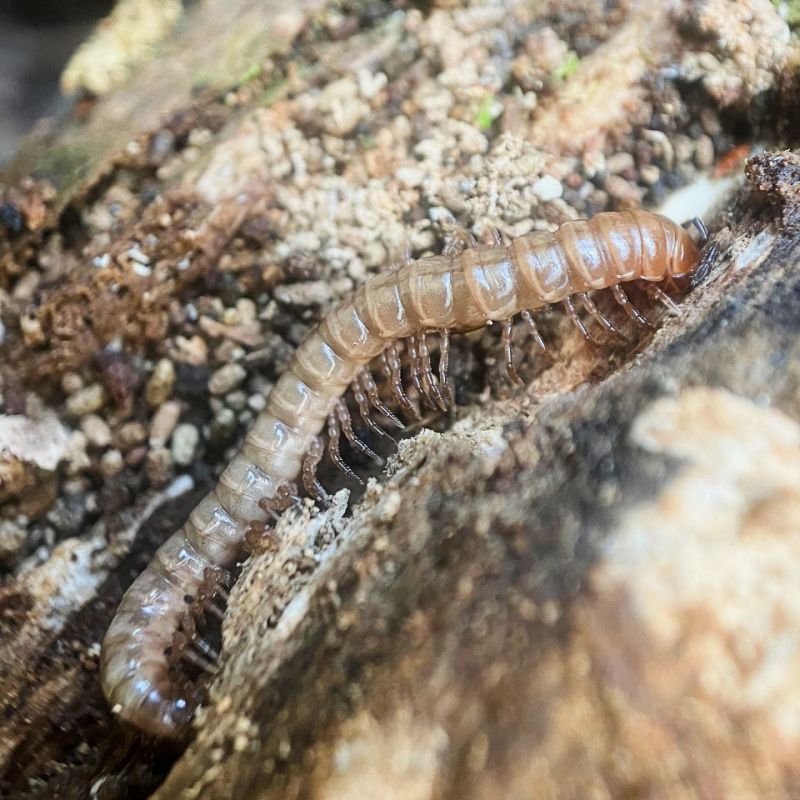
PestFacts SA received several reports of native millipedes, most likely Somethus species.
Australia is home to around 2000 native millipede species, most commonly found in mild, damp climates. Native millipedes feed on dead plant matter and are unlikely to feed on agricultural crops. They are important for recycling organic matter and generating nutrients in soils and play a beneficial role in paddocks.
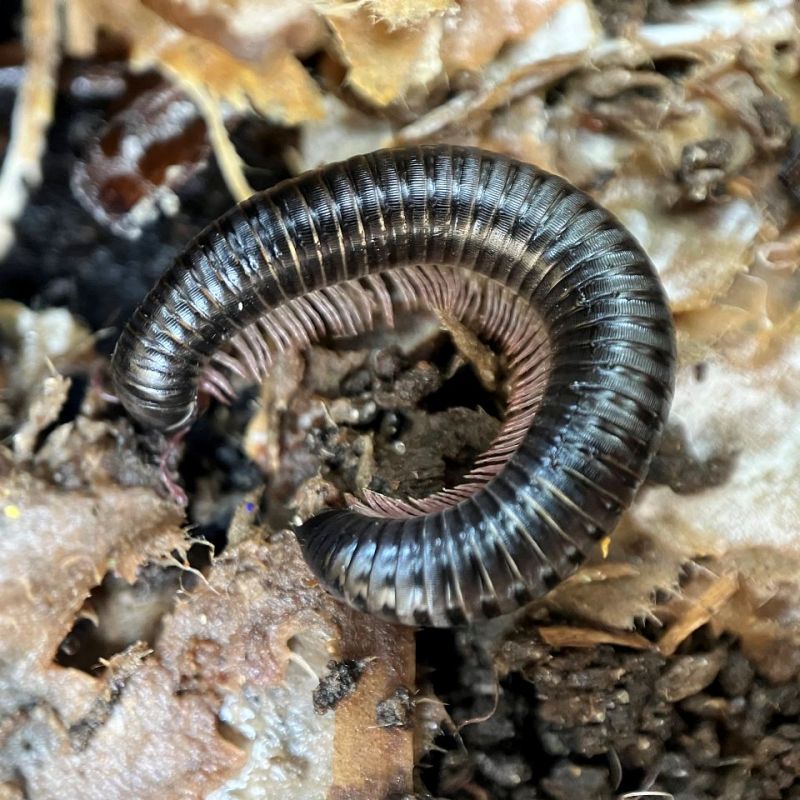
The clearest identification feature that distinguishes black Portuguese millipedes from native species is that Portuguese millipedes have very smooth, cylindrical bodies with small, smooth rings. In comparison, native millipedes come in a range of colours and most have larger rings along their bodies, with a rough or ridged appearance. If you see millipedes other than Portuguese millipedes, we would like to hear from you. Please email any photos you have.
Mandalotus weevils
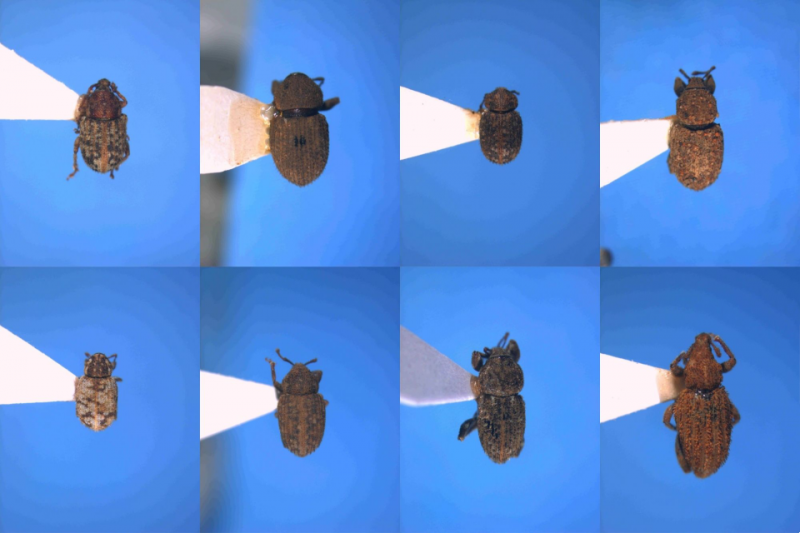
Mandalotus weevil (Mandalotus spp.) activity has been reported in canola on the Eyre Peninsula.
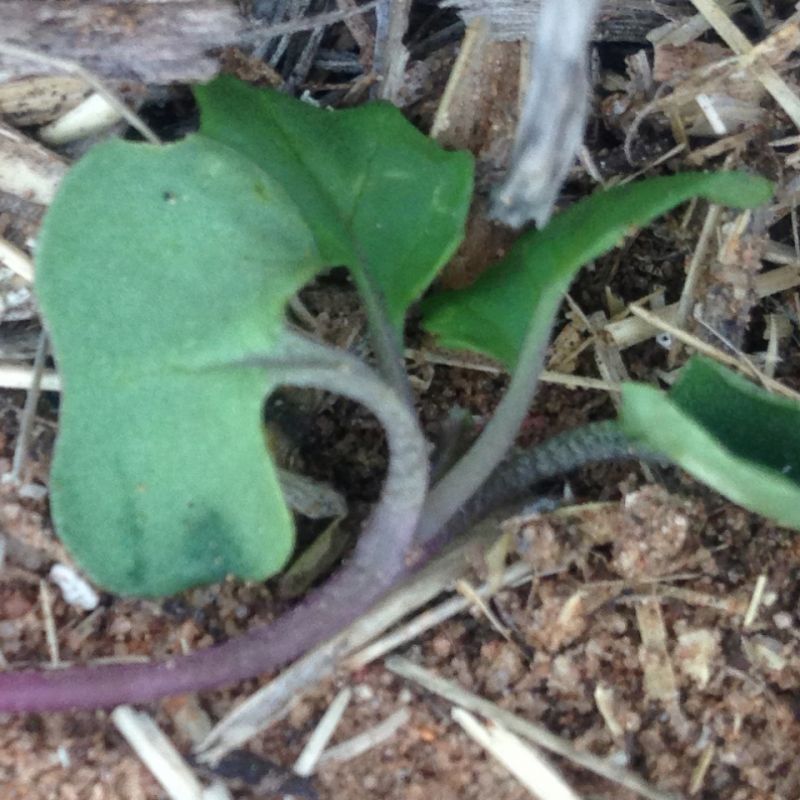
Mandalotus weevils are a group of native Australian weevils. The tiny adults (3-5mm) chew seedling stems, cotyledons, and leaves. Canola seedlings are often ring-barked at ground level, resulting in lopping of seedlings, patches of crop-thinning and, in severe cases, rapid destruction of large areas and bare patches.
Adult Mandalotus are easily confused with those of several other pest weevils of a similar size-class:
- Spotted vegetable weevil (Steriphus diversipes), which is slightly larger and has a longer weevil snout
- Polyphrades weevil (Polyphrades laetus), which is known to attack cereal crops in the Eyre Peninsula region
- Sitona weevil, which has a broad snout and three pale stripes on the thorax.
Mandalotus weevil populations often recur in the same areas of paddocks across seasons, so knowledge of paddock history can help identify higher-risk areas. Monitoring at night with a torch can reveal adults feeding on seedling foliage. Pitfall traps are also a useful tool for detecting adult activity and assessing population levels.
Report to PestFacts
The PestFacts SA team always wants to know what invertebrates you find in your crops and pastures, whether it's a pest, beneficial, or unknown species. We even want to know about the usual pests.
Please send your reports or identification requests via the PestFacts map.
Alternatively, please contact:
Maryam Ehsangar
Phone: 0448 010 339
Email: maryam.ehsangar@sa.gov.au
Maarten van Helden:
Phone: 0481 544 429
Email: maarten.vanhelden@sa.gov.au