

PestFacts 12 December 2024
Common stored grain pests
The PestFacts team has recently received various samples of stored grain pests, including minute mould beetles. These reports highlight the importance of ongoing vigilance and effective pest management to ensure the protection of valuable grain stocks. Below is an overview of the most common stored grain pests and some practical strategies for growers to protect their harvests.
Key pests threatening stored grain
Minute mould beetle
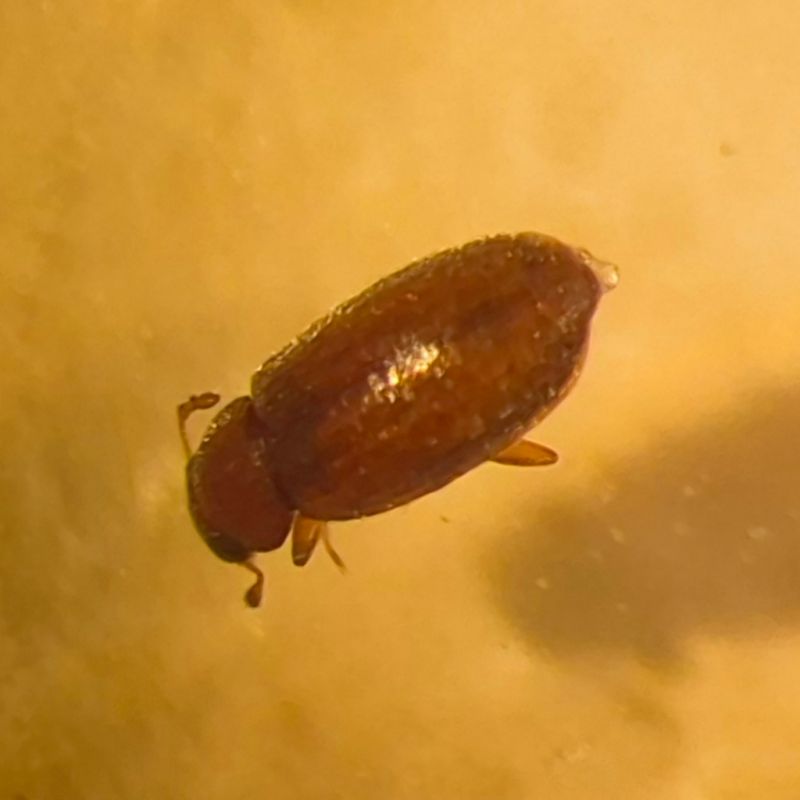
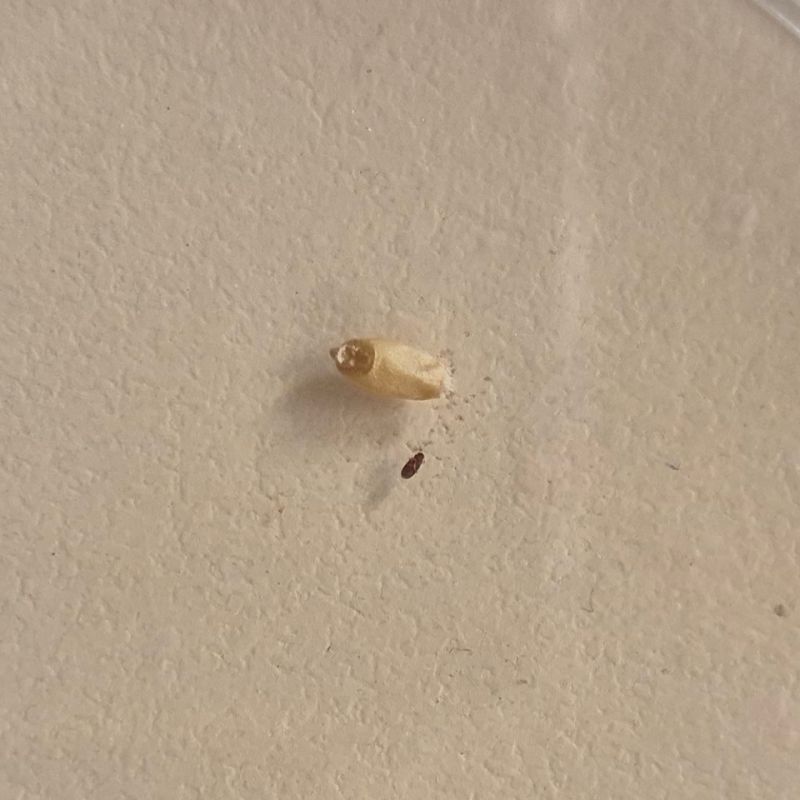
Minute mould beetles (family Cryptophagidae) are small insects, typically measuring 1 to 4 millimetres in length. They are commonly found in environments with mould or decaying organic matter, feeding primarily on fungi, moulds, and decaying plant material. These tiny insects are often present on plants being harvested, but if the grain is dry and properly stored, they will not develop.
The presence of minute mould beetles in South Australia this year, despite a lack of heavy rainfall, can be attributed to several factors. While the external environment may have been dry, stored grain and other organic materials can retain moisture, creating damp spots that support mould growth and attract beetles. Microclimates within buildings, grain silos, or other storage areas can also trap moisture, particularly in poorly ventilated spaces where condensation builds up. Periods of moisture or humidity (for example, from dew, irrigation or sporadic rain), may assist fungal spores to establish and thrive, even when the overall climate turns dry.
Although these beetles prefer damp conditions, they can migrate to areas with a food source, such as mouldy grain or decaying organic matter, allowing them to infest storage spaces even in dry weather.
Grain weevils
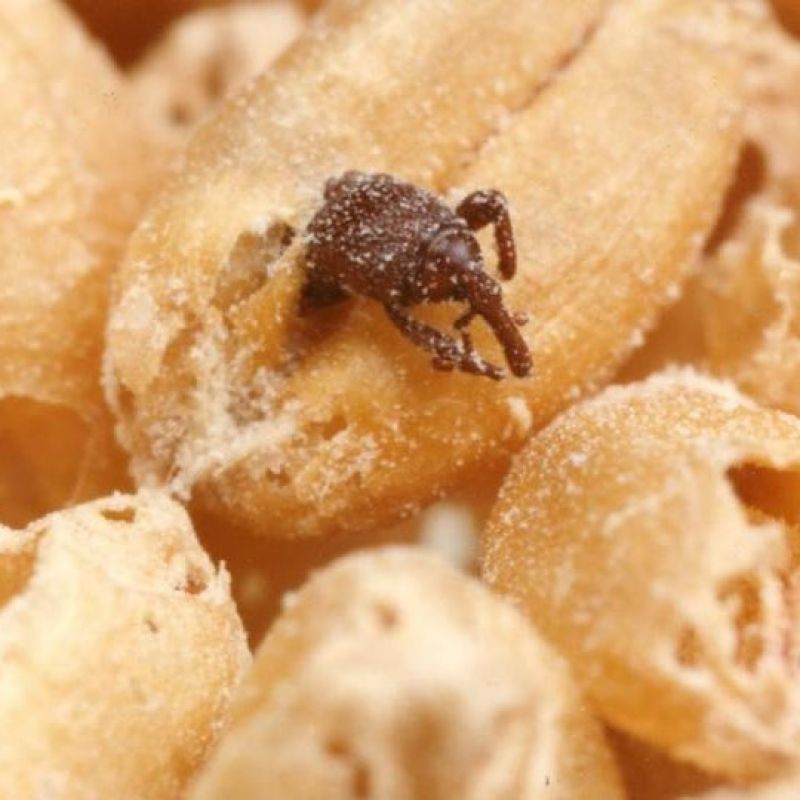
Grain weevils (Sitophilus species), such as the rice weevil (Sitophilus oryzae) and maize weevil (Sitophilus zeamais), are a common problem in stored grains. They penetrate kernels to lay their eggs and the larvae feed inside, damaging the grain. As a result, grains become unsuitable for consumption or sale. The weevil's ability to multiply quickly in storage makes it a serious concern for growers.
Lesser grain borer
The lesser grain borer (Rhyzopertha dominica) is another major pest that affects wheat, barley, and other stored cereals. Both the adults and larvae bore into grains, creating holes that reduce grain quality. Infestations can lead to fungal growth, which further deteriorates the grain. This pest is highly mobile and can spread rapidly, especially in warm conditions.
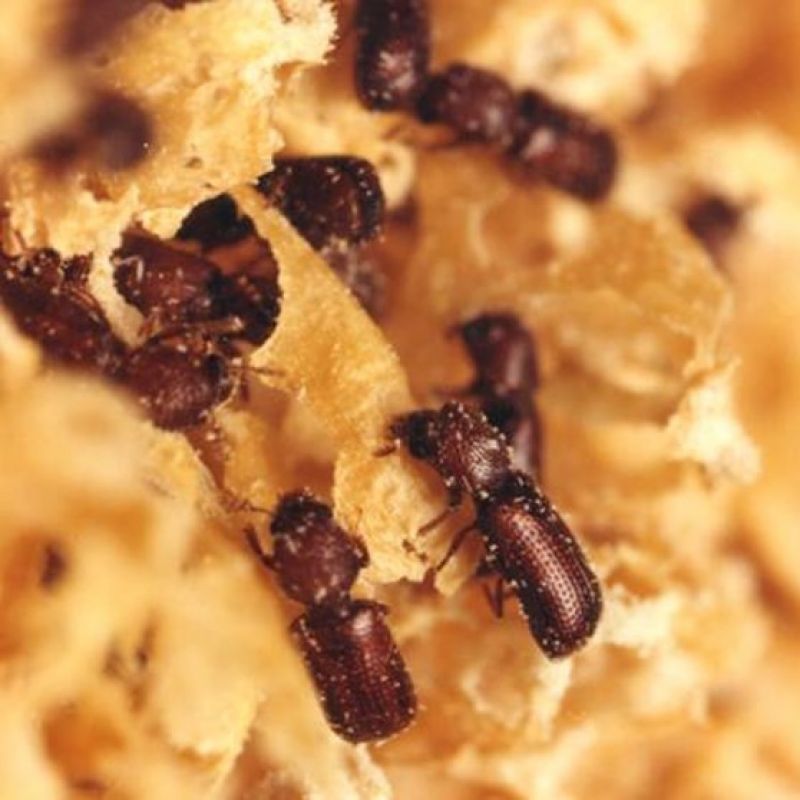
Rust-red grain beetle
The rust-red grain beetle or flour beetle (Tribolium castaneum) is a common pest in stored grain facilities, particularly in wheat and barley. Both adults and larvae feed on grains, causing significant damage by tunnelling through the kernels. They can also contaminate grain with their excrement, lowering its quality.
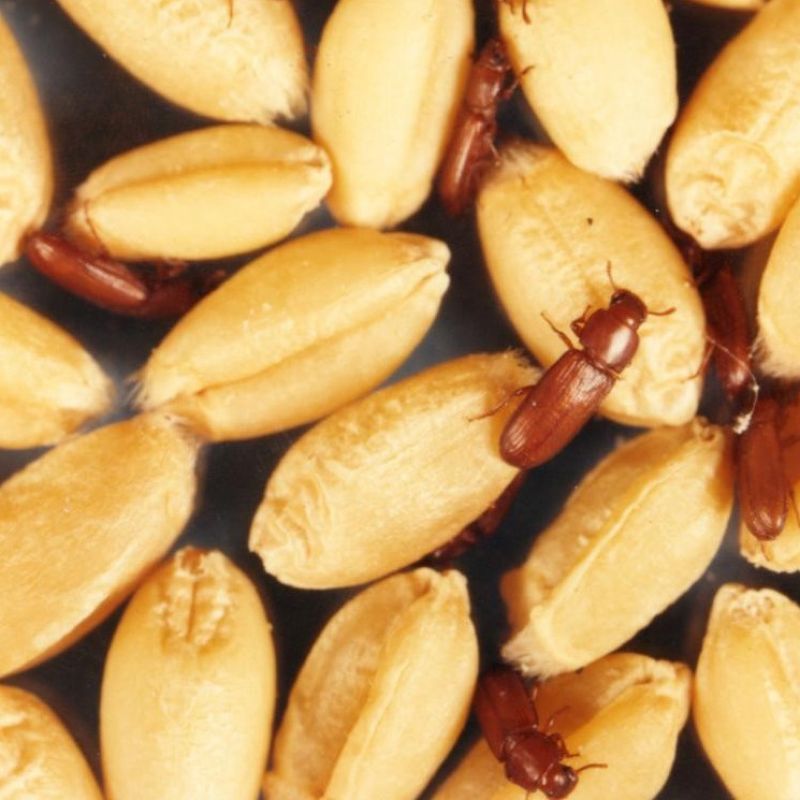
Sawtoothed grain beetle
The adults of this beetle (Oryzaephilus surinamensis) have serrated edges on their thorax that give them a 'sawtoothed' appearance. Both the beetles and their larvae cause damage by feeding on the grain and reducing its quality. Like other grain pests, they are capable of contaminating the grain with waste, making it unsuitable for sale.
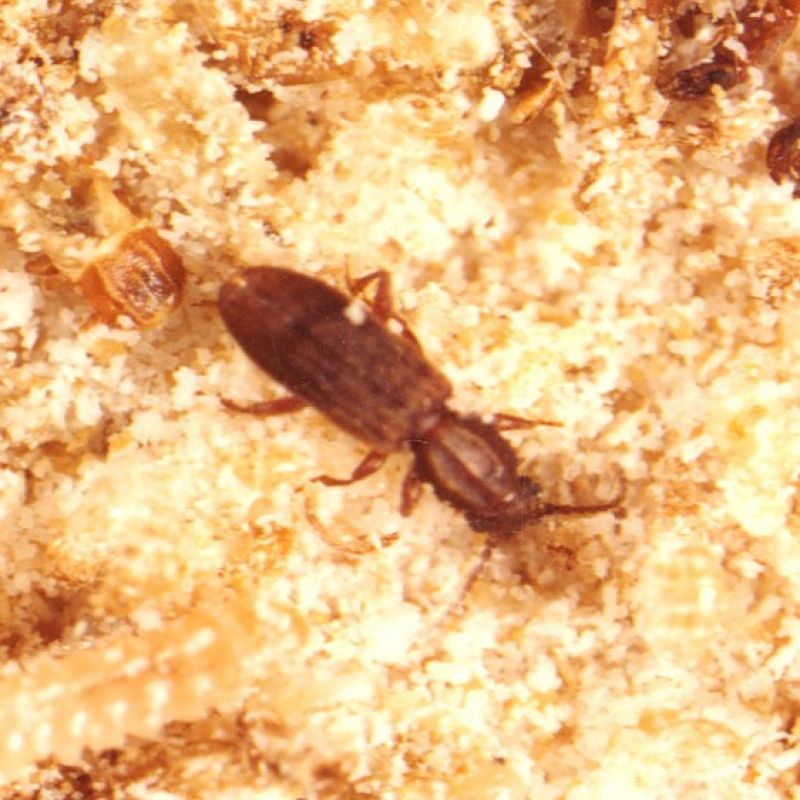
Flat grain beetles
Cryptolestes species are small, reddish-brown beetles that infest stored grain, particularly wheat, barley, and oats. Both adults and larvae feed on grain, damaging the kernels by creating holes. These beetles are highly mobile and can spread quickly within storage facilities. They also produce waste that can contaminate the grain, significantly reducing its market value. Due to their small size, they often go unnoticed until significant damage has occurred. Preventing infestations of Cryptolestes requires vigilant monitoring and control measures, including regular inspections and maintaining dry storage conditions.
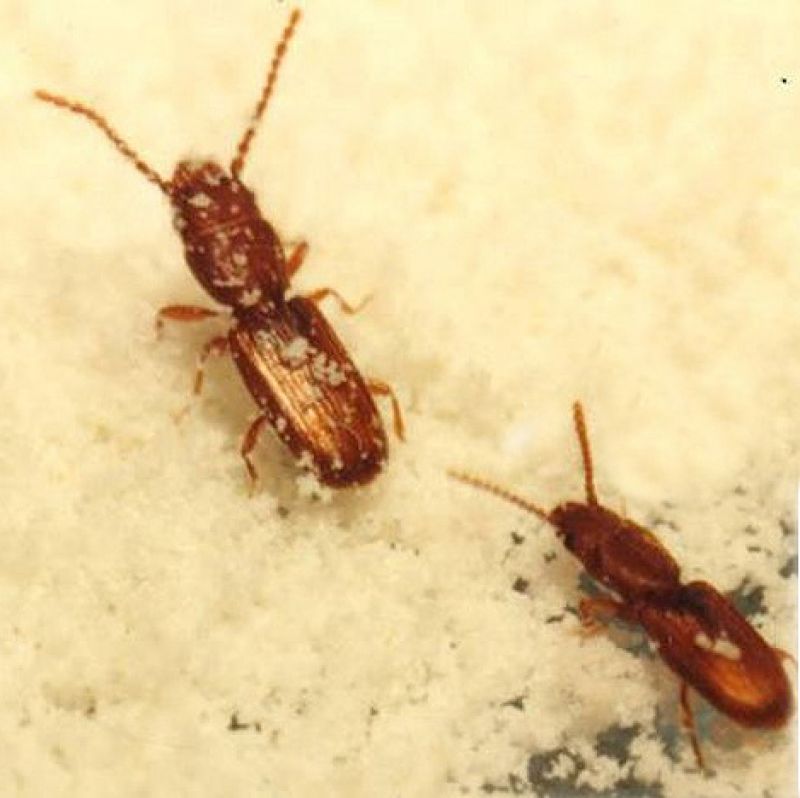
Grain moths
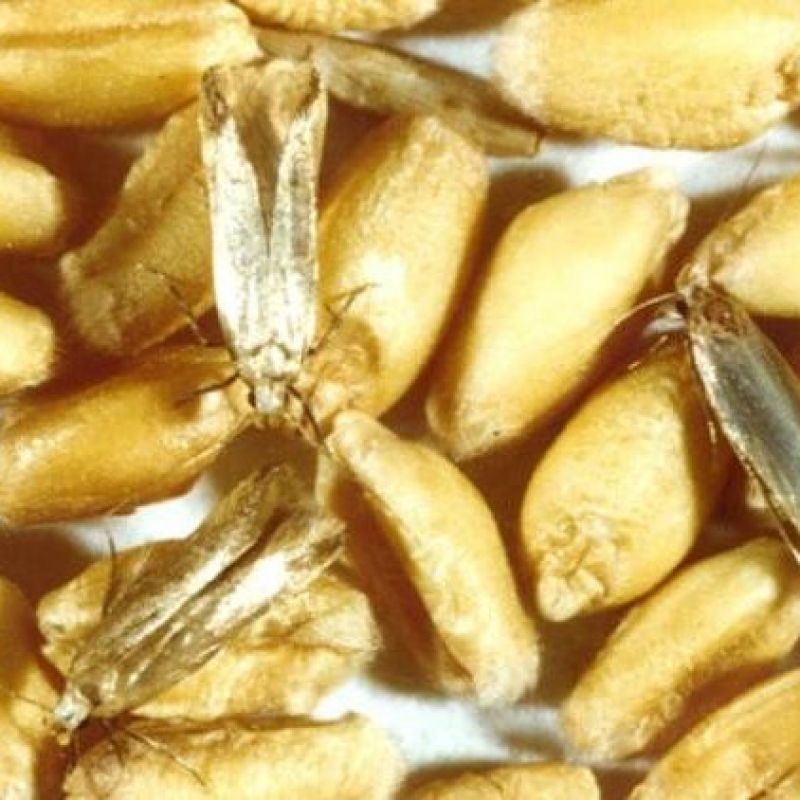
Grain moths (Plodia interpunctella and others), particularly the Indian meal moth (Plodia interpunctella), are common pests in grain storage. The larvae feed on grain kernels and produce webs, which can cause contamination with faecal matter. While grain moths are less likely to damage the structure of the grain compared to weevils, they can still make the grain unfit for sale due to contamination and spoilage.
Variable grain beetle and khapra beetle – a biosecurity concern
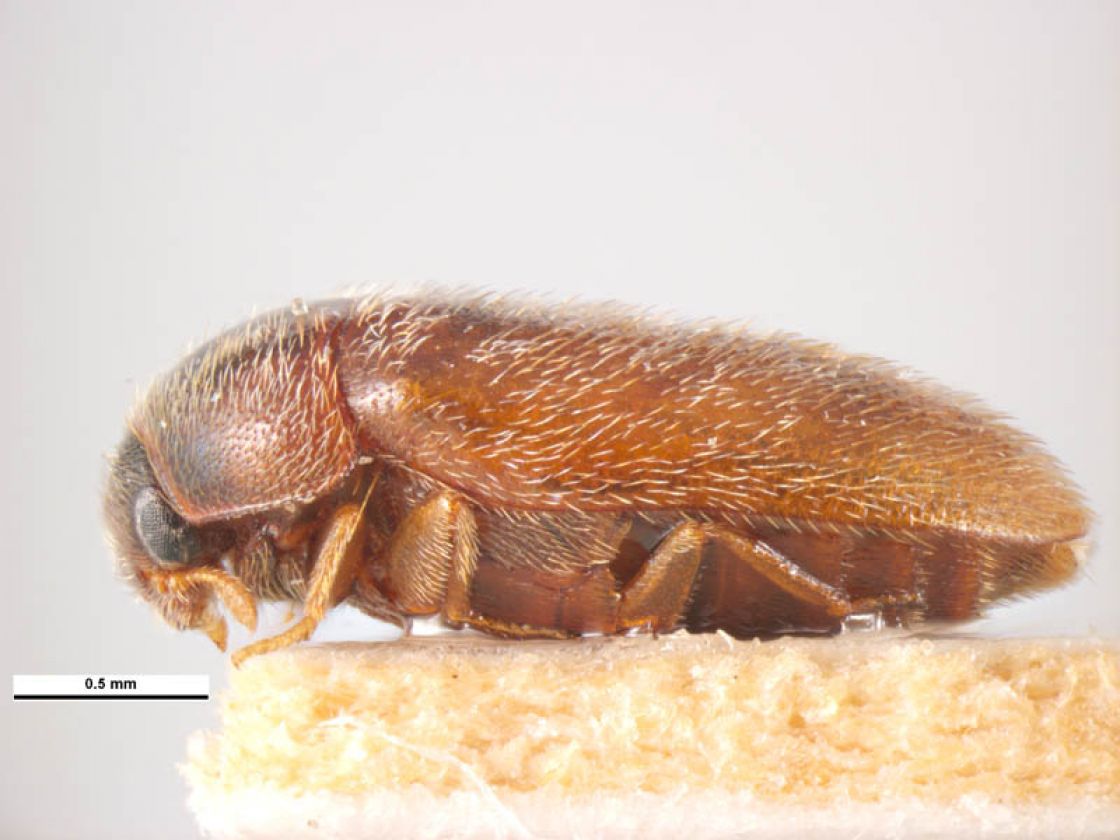
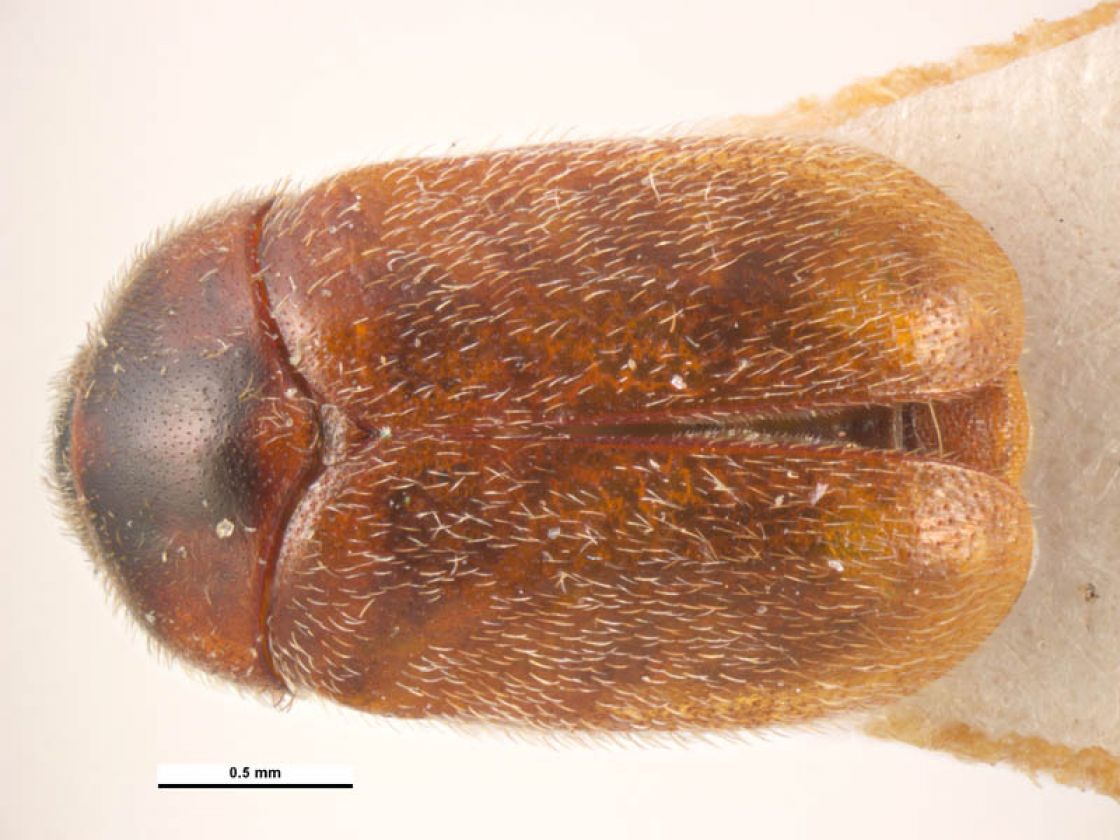
The variable grain beetle (Trogoderma variabile) is a common exotic species often found in farm storage facilities and silos. While the variable grain beetle may pose a minor risk to stored grain, a closely related species, the khapra beetle (Trogoderma granarium) is a serious biosecurity threat.
The khapra beetle is notorious for its ability to infest a wide variety of stored grains and commodities, making it a significant concern for both grain growers and the agricultural industry.
If khapra beetle is suspected in storage facilities, it is essential that growers report the sighting immediately to the Exotic Plant Pest Hotline on 1800 084 881.
Early detection and action are critical to preventing the spread of this pest, which could have severe implications for grain exports and biosecurity in the region.
Strategies to manage stored grain pests
Proper grain handling and storage
- Ensure dry conditions: Pests such as grain weevils, beetles, borers, and mites thrive in warm, moist environments. By keeping the grain dry (ideally under 14% moisture), growers can significantly reduce the likelihood of infestations.
- Use sealed containers: When storing grain, ensure that bins, silos, or bags are tightly sealed to prevent pests from entering. For larger storage facilities, consider using aeration systems to maintain optimal temperature and humidity levels.
Regular monitoring
- Regular inspection of stored grain is essential for early detection of pests. Growers should use traps to monitor insect populations and check for signs of contamination, such as webbing, damaged kernels, or insect activity. Early intervention can help minimize the impact of pests.
- Keep a close watch on any grain that may have been exposed to pests during harvest or transport, as these are prime candidates for infestation.
Integrated pest management (IPM)
- Biological control: Some natural predators, like parasitic wasps, can help control stored grain pests. However, IPM is a holistic approach that involves combining cultural, physical, and biological practices with selective chemical treatments.
- Chemical control: If necessary, use registered insecticides, ensuring they are appropriate for the target pest and effective in controlling the infestation. Rotate chemicals to prevent resistance development.
- Pheromone traps: These traps are effective in monitoring moth populations and can help assess whether pest control measures are needed.
Good hygiene practices
- Clean storage facilities thoroughly before and after each harvest. Remove any leftover grain and grain dust, as they can attract pests. Maintaining clean storage areas reduces the chance of infestation and helps keep grain in optimal condition.
Parasitoid wasps – protectors of our crops
Some wasps have a strange way of living: they lay their eggs on or inside other animals. When the eggs hatch, the larvae start eating the host's insides while it’s still alive, providing them with fresh food. The larvae depend on the host for food and safety until they are ready to turn into adults. At that point, they kill the host. This is different from parasites, which usually don't kill their hosts, and also different from predators, who kill their prey quickly. These wasps are called "parasitoids" because they fall somewhere between parasites and predators.
Parasitoids are very specific about which host they attack, usually targeting just one species of animal and often focusing on a particular stage in its life cycle. This specialisation has led to a wide variety of parasitoid species. One strange and fascinating aspect of some parasitoid wasps is their ability to control the behaviour of their hosts to help them survive.
How to identify parasitoid wasps
The size of the parasitoid wasp often matches the size of the host it targets. They have a noticeable 'waist' between their thorax and abdomen. Most parasitoid wasps have two pairs of delicate wings, which can vary depending on genera. Depending on the species their antennae can vary in length, from short to long. Though many are black or brown, some species stand out with metallic blue or green hues, and a few even sport bright yellow or orange patterns.
Female parasitoid wasps have a specialised egg-laying structure called an ovipositor at the end of their abdomen. This tool allows them to deposit their eggs either on or inside their host. Some wasps have particularly long ovipositors that enable them to reach hosts hidden deep inside cocoons, tree trunks, or other hard-to-reach places.
Lifecycle
Parasitoid wasps go through a full life cycle, including egg, larva, pupa, and adult stages. The eggs are often difficult to spot because they are laid inside the bodies or eggs of the host insect. In some species, the pupae appear as tiny, rice-shaped cocoons that are pale yellow or white, often found attached to or near the dead host insect. Generally, each egg develops into a single larva. While some parasitoid wasps can produce multiple generations in a single season, others may take a year or more to complete their life cycle. In all cases, parasitoid wasps spend part of their development either inside or on the outside of their host.
Diamondback moth parasitoid
Diadegma semiclausum (commonly known as Diadegma) is a parasitoid wasp that targets the larvae of the cabbage moth Plutella xylostella, also known as the diamondback moth (DBM). It is the most common natural enemy of DBM in Australia. These wasps are strong fliers, allowing them to move quickly across crops. Diadegma prefers to lay its eggs in very young moth larvae that have just exited the protective mines within brassica leaves. Parasitised and non-parasitised larvae look similar at first glance. However, once they pupate, the difference becomes clear: non-parasitised larvae develop into pupae in a day or two, while parasitised larvae stay in the early pupal stage for an additional 2 to 5 days. The wasp larvae spin their silken cocoon inside the moth's cocoon.
Aphid parasitoid
The Aphidius genus includes several species of small braconid wasps, all of which target aphids and help naturally control their populations. Female Aphidius wasps lay their eggs individually inside aphid nymphs. The larvae then consume the aphids from the inside, causing them to become 'mummies' that are swollen and bronze-brown in colour. Once the larvae mature and pupate, adult wasps emerge from the mummies through tiny exit holes. In addition to directly killing aphids, the adult wasps' searching behaviour disrupts aphid colonies, causing many aphids to fall from plants and die. Parasitoids are most effective in controlling aphid populations in winter-grown crops from late winter through spring, although their impact can be reduced if broad-spectrum pesticides are used or if aphid populations grow too quickly.


Canola Allies project seeks insights on beneficial insects
The Canola Allies project, supported by GRDC, is calling on Australian grain industry experts – including growers, agronomists, advisors, and biological control practitioners – to contribute their valuable insights into the role of beneficial insects, mites, and spiders in pest management.
By participating in this survey, you'll be helping the Canola Allies team identify opportunities for more effective and sustainable pest control in canola crops, with a focus on beneficial insects.
The Canola Allies project has developed a short 10-minute survey to capture your beliefs, attitudes, and goals regarding biological control.
Whether you're curious about specific pest species or looking for insights into enhancing your current practices, this survey is a chance to share your experiences and needs.
Final issue for 2024
This is the 8th and final issue of PestFacts SA for the 2024 growing season. We hope that the pest management information provided throughout the year has been helpful in navigating the challenges of this season.
As we close out the regular updates, we would like to extend our sincere thanks to all of our readers for their attention and engagement. Our team at PestFacts SA is committed to supporting South Australian growers with timely, accurate, and actionable advice. Your feedback has been invaluable to us, and we appreciate the opportunity to serve you throughout the year.
While this is the last planned issue for 2024, please note that additional editions may be circulated if extraordinary pest issues arise. Should any urgent situations occur, we will ensure that you are promptly informed.
Thank you for your continued trust in PestFacts SA. We look forward to assisting you in the next growing season and wish you a successful and productive year ahead!
Report to PestFacts
The PestFacts SA team always wants to know what invertebrates you find in your crops and pastures, whether it is a pest, beneficial or unknown – even the usual pests.
Please send your reports or identification requests via the PestFacts map.
Alternatively, please contact:
Maryam Ehsangar
Phone: 0448 010 339
Email: maryam.ehsangar@sa.gov.au
Maarten van Helden:
Phone: 0481 544 429
Email: maarten.vanhelden@sa.gov.au
Subscribe
The latest information for growers and advisors on the activity and management of pests in all broadacre crops during the winter growing season.