

PestFacts 1 July 2024
Look out for these emergence pests
Many of our management practices for cropping have changed dramatically over the last 20 years. Reduced tillage and increased stubble retention has resulted in changes to soil moisture retention, groundcover and soil biology. This has also affected the abundance and types of invertebrate species being seen in crops. These systems increase invertebrate biodiversity but also create more favourable conditions for many pests such as slugs, earwigs, weevils, beetles and many caterpillars. In turn they have also influenced beneficial species such as carabid and lady beetles, hoverflies and parasitic wasps.
Young crops are particularly susceptible to feeding damage for the first 3 to 5 weeks following emergence.
Earth mites
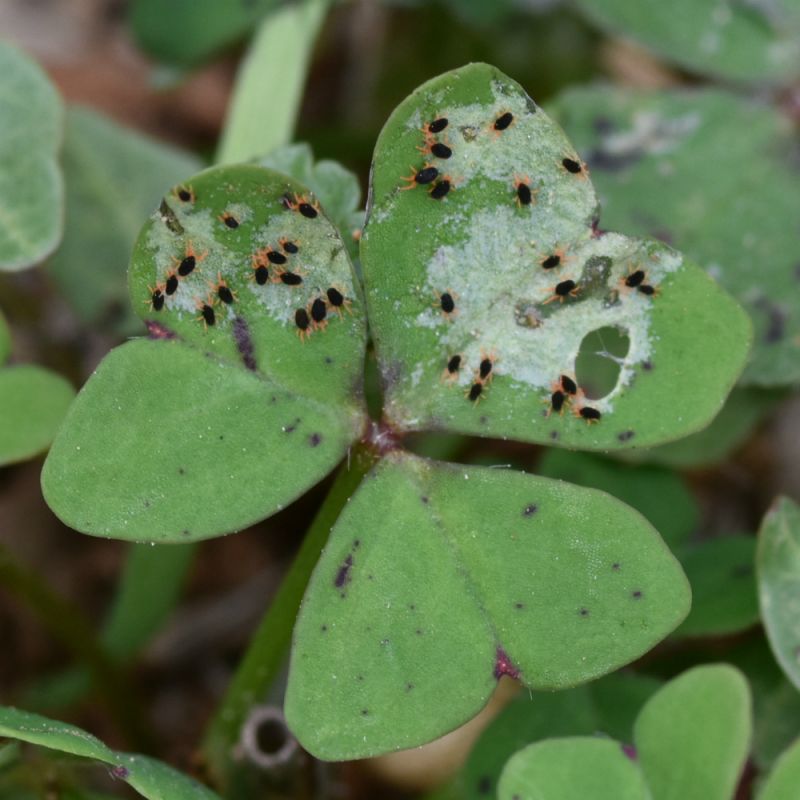
At least 4 earth mite groups feed on seedling crops. Correct earth mite identification is crucial for effective control; different mite species vary in susceptibility to insecticide, either naturally or through insecticide resistance. Use the GRDC Crop Mites Back Pocket Guide to help with identification.
- Redlegged earth mite (RLEM; Haylotydeus destructor)
- Blue oat mite (BOM; Penthaleus spp.)
- Bryobia mite (clover mite; Bryobia spp.)
- Balaustium mite (Balaustium medicagoense)
RLEM hatching occurs following autumn rainfall (greater than 5 mm) and cool temperatures (less than 20.5°C). RLEM often feed in groups. Resistance to synthetic pyrethroid and organophosphate insecticides has been detected in RLEM around the upper South East and Fleurieu Peninsula regions. To help manage resistance, see Resistance management strategy for the Redlegged Earth Mite in Australian grains and pastures.
These mites are similar in appearance to RLEM but have a distinct orange-red patch on their back that is visible under a hand lens. Unlike RLEM, BOM typically feed singularly or in small groups.
These mites have a flattened body, and front legs up to 1.5 times their body length. They prefer warmer conditions and are often seen earlier in autumn than other species. If treatment is necessary, organophosphates may provide better control than synthetic pyrethroids. Populations decline during cold winter conditions.
These are relatively large and slow-moving mites, often observed feeding at the tips of leaves.
Lucerne flea
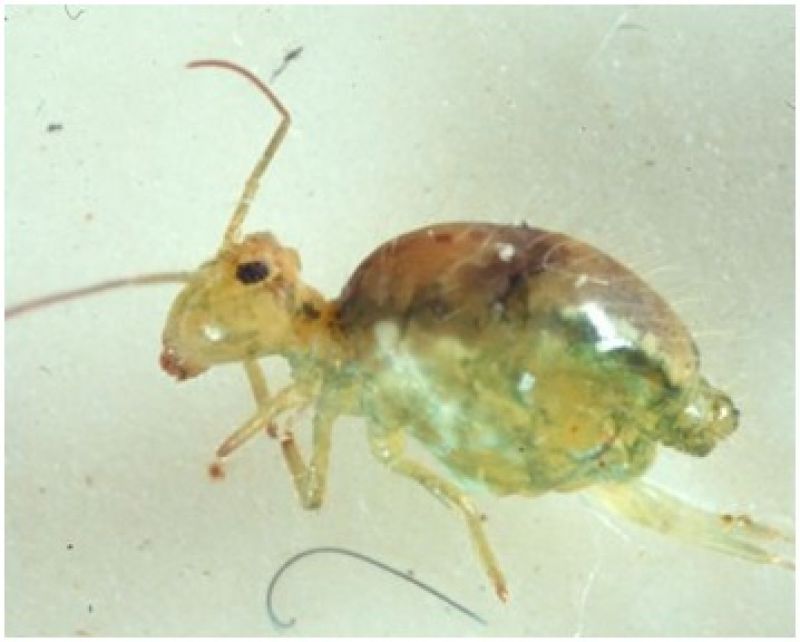
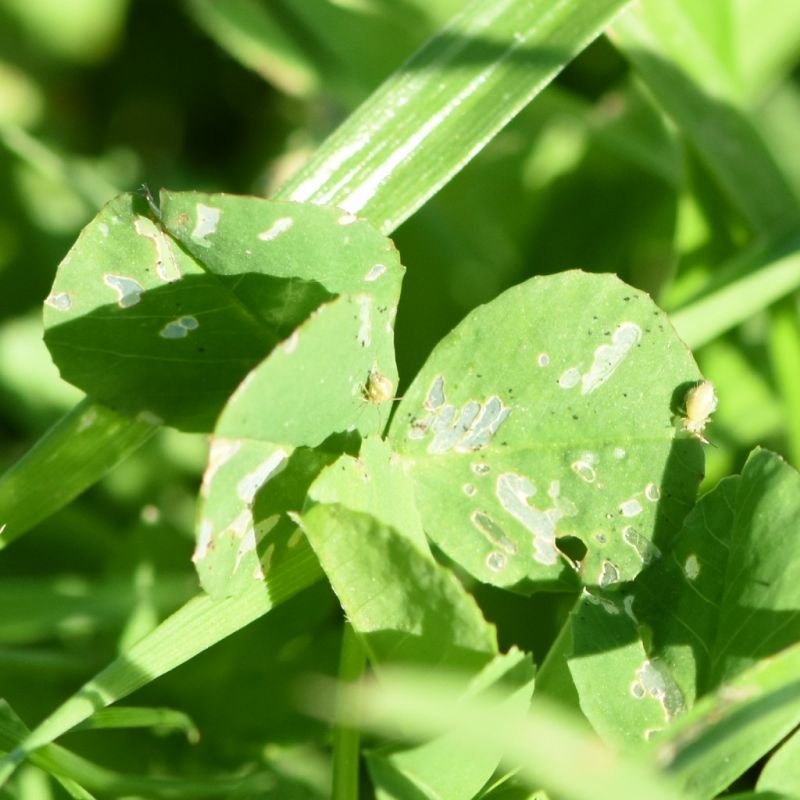
Lucerne flea (Sminthurus viridis) hatch following adequate rainfall. Lucerne flea feeds on a range of crops and pasture including canola, field peas, lupins, faba beans, ryegrass, wheat and barley. They also can feed on weeds such as capeweed, shepherd's purse, chickweed, common sow thistle and wild radish. Their feeding causes a characteristic 'windowing' of leaves.
Lucerne flea occurs in hotspots in paddocks, so it is important to monitor paddocks in their entirety. If treatment is necessary, avoid synthetic pyrethroids – organophosphates are recommended.
Beetles and weevils
The larvae and adults of several beetle species can be sporadic pests of seedling crops.
No weevils and beetles have been reported yet, but typical species to look out for are:
- Mandalotus weevil (Mandalotus spp.)
- Vegetable weevil (Listroderes difficilis)
- Southern false wireworm (vegetable beetle; Gonocephalum spp.)
- Bronzed field beetle (Adelium brevicorne)
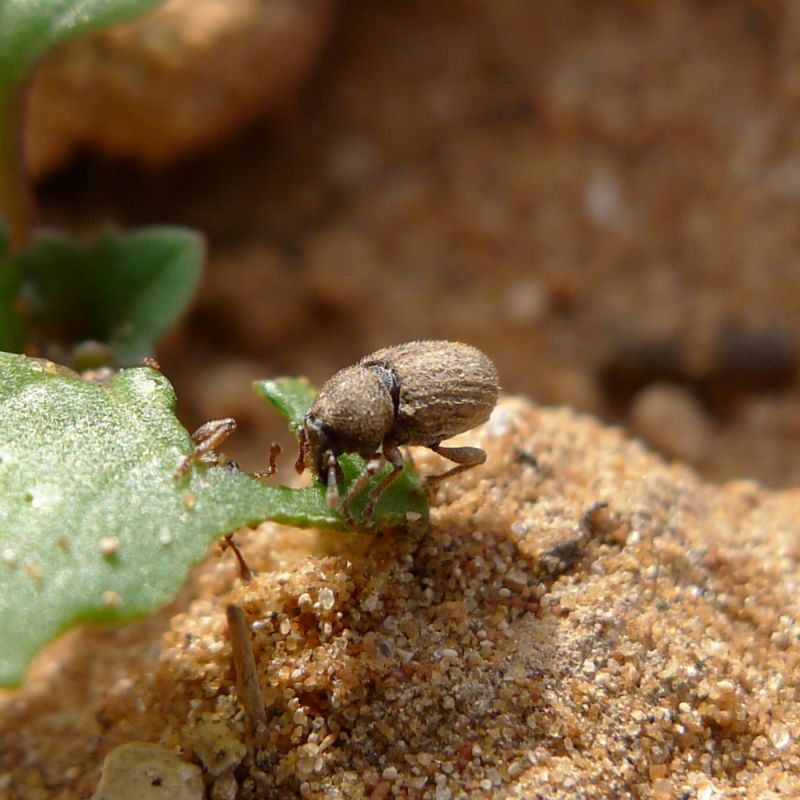
A group of native Australian weevils, with at least 10 species known to feed on crops in parts of south-eastern Australia. Adults are 3 to 5 mm long and emerge onto the soil surface during late autumn. They are often difficult to find; search at night using a torch, or during the day in the top 1 cm of soil at the base of weeds or damaged seedlings. Adults lop stems, cotyledons or seedlings. In canola, check problem areas for damage one week after emergence. If needed, insecticidal spot treatment to control adults is the only management option. See Mandalotus weevils in canola ( ) for more information.
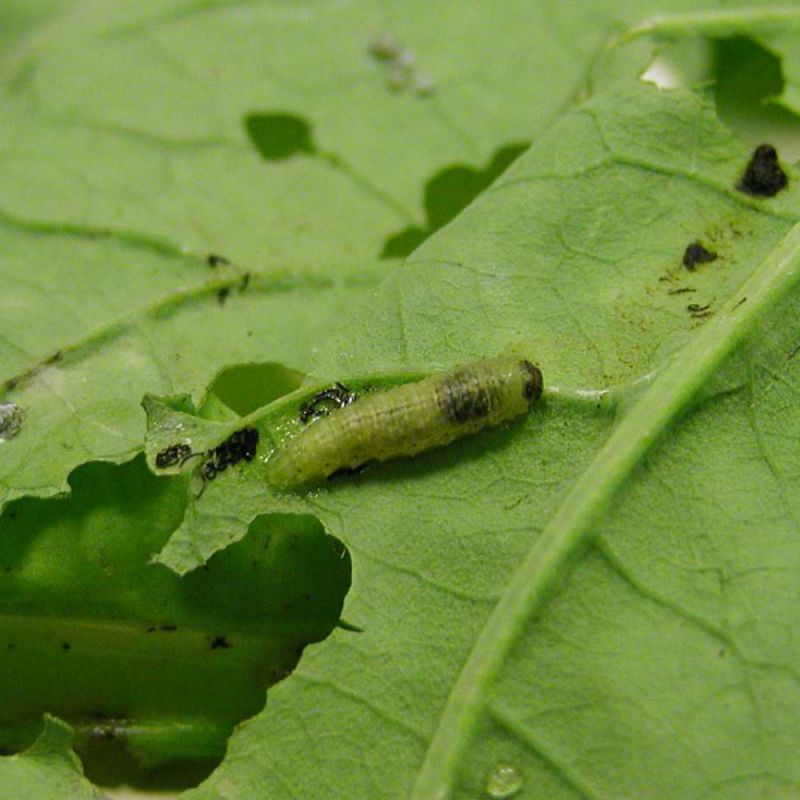
A sporadic pest widespread in cropping areas. Adults and larvae feed on foliage at night during early winter. Adults are 8 mm long with grey-brown bodies, a prominent weevil snout and a distinctive pale-coloured 'V' on their back. Larvae are legless, yellow to green in colour with an orange-brown head. Check emerging canola crops for damage and weevils along crop edges or near areas with host weeds, particularly capeweed.
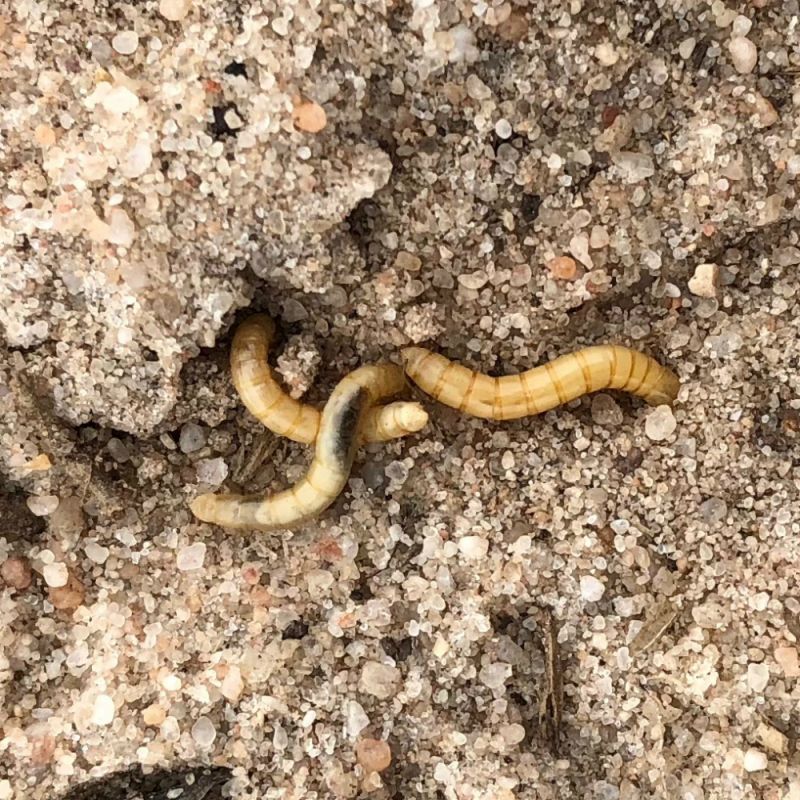
Larvae of these beetles are minor pests of winter cereals. Larvae can feed on germinating seeds underground, while adults can feed on emerging canola at ground level. Larvae are cream, yellow or tan with cylindrical elongate bodies. Adults are small, matte dark grey-black coloured beetles.
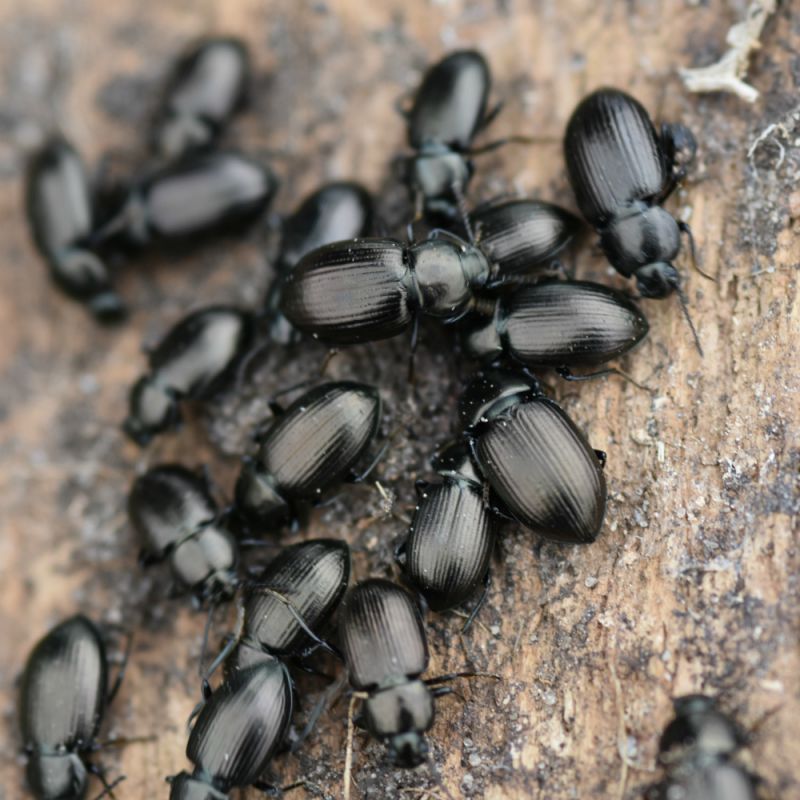
Larvae are often active in autumn, and feed on canola at ground level, causing seedling losses. Removal of surface trash is an effective management strategy for this pest in problem areas. Adults are shiny black beetles up to 11 mm long with a slight bronzed colour. Larvae are up to 12 mm in length, dark and shiny with two upturned spines at the tail end.
Stubble pests: Earwigs, millipedes and slaters
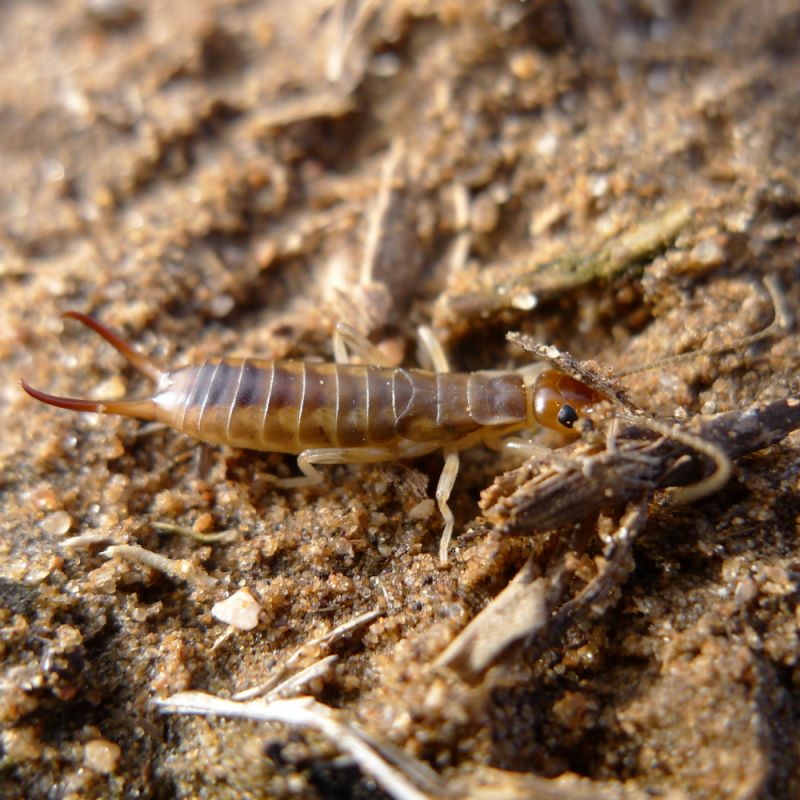
- European earwig (Forficula auricularia)
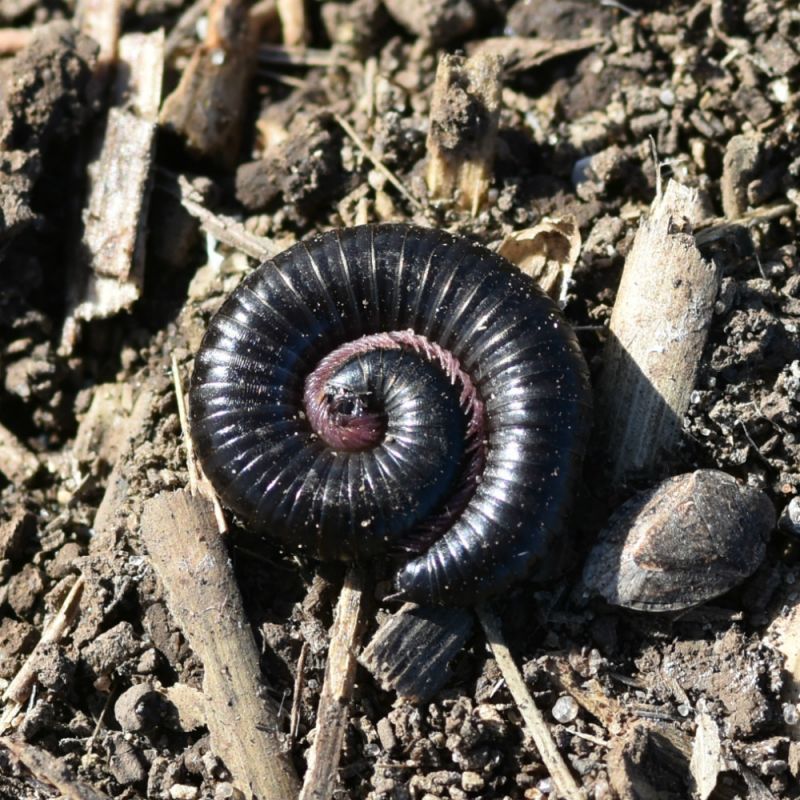
- Black Portuguese millipede (Ommatoiulus moreletii) and slaters
Adult European earwigs are present all year, but eggs and juvenile earwigs are only present from April to November. They are mainly present in areas that receive more than 400 mm of annual rain. They are a sporadic pest of broadacre crops, and generally most abundant when paddocks provide adequate habitat for population build up. European earwigs can feed on canola, lucerne, lupins and in some cases, lentils. The potential for damage to emerging crop by adult European earwigs exists, although it is dependent upon the timing of germination and egg laying. During mid-late season, earwigs can act as a predator of soft bodied insects such as aphids, potentially contributing to their control. Read more in Earwigs - an appetite for destruction or are they beneficial?
Black Portuguese millipedes and slaters are primarily detritus feeders, however, they have been reported feeding on emerging canola plants in recent seasons. Finding black Portuguese millipedes and slaters in a crop does not necessarily mean damage will occur. Management options are limited after crop emergence, so prevention is a key part of control. For more information, see millipedes and slaters in no-till systems (PDF).
Slaters seen in large numbers
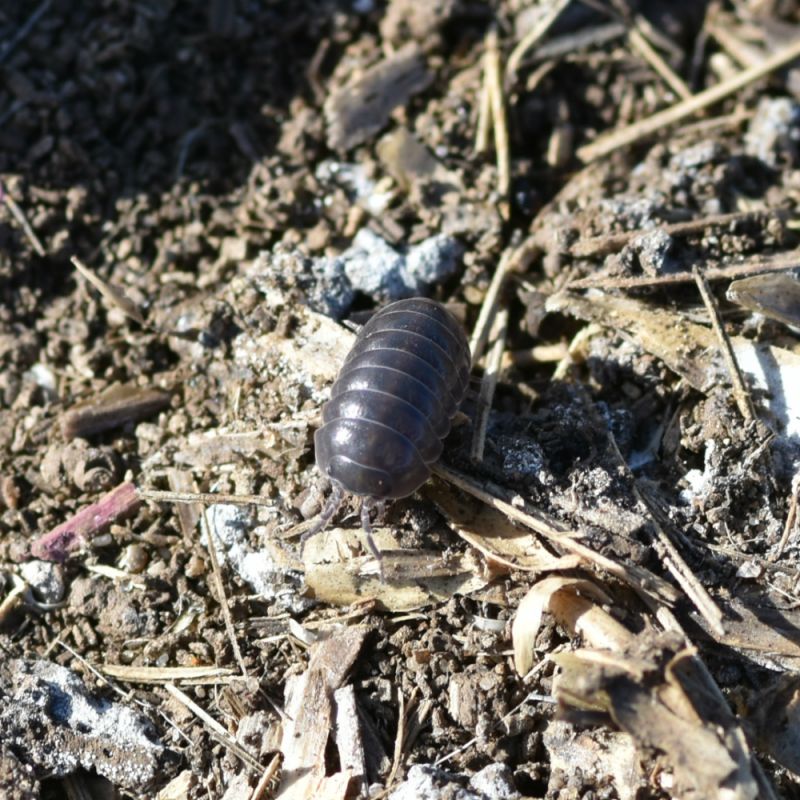
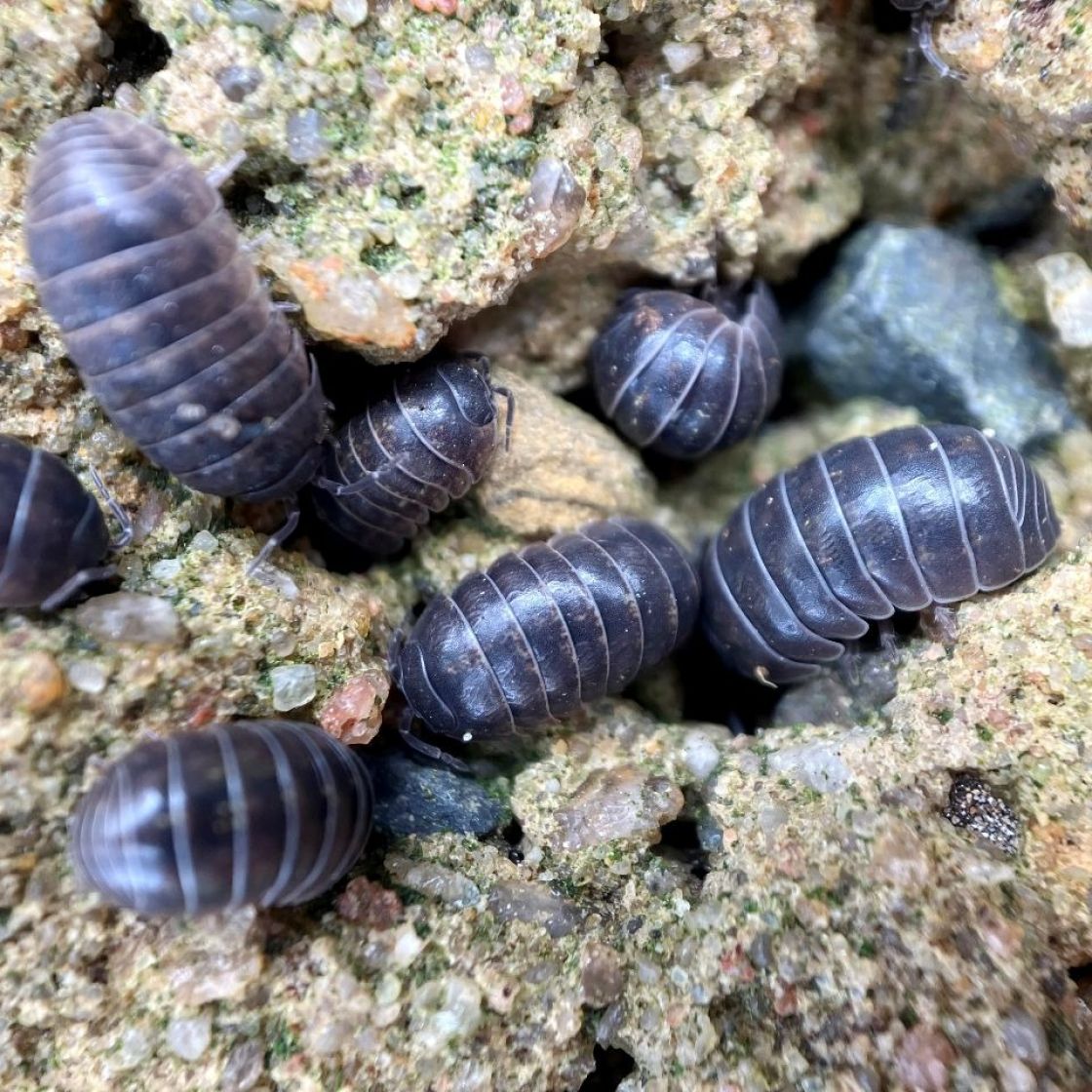
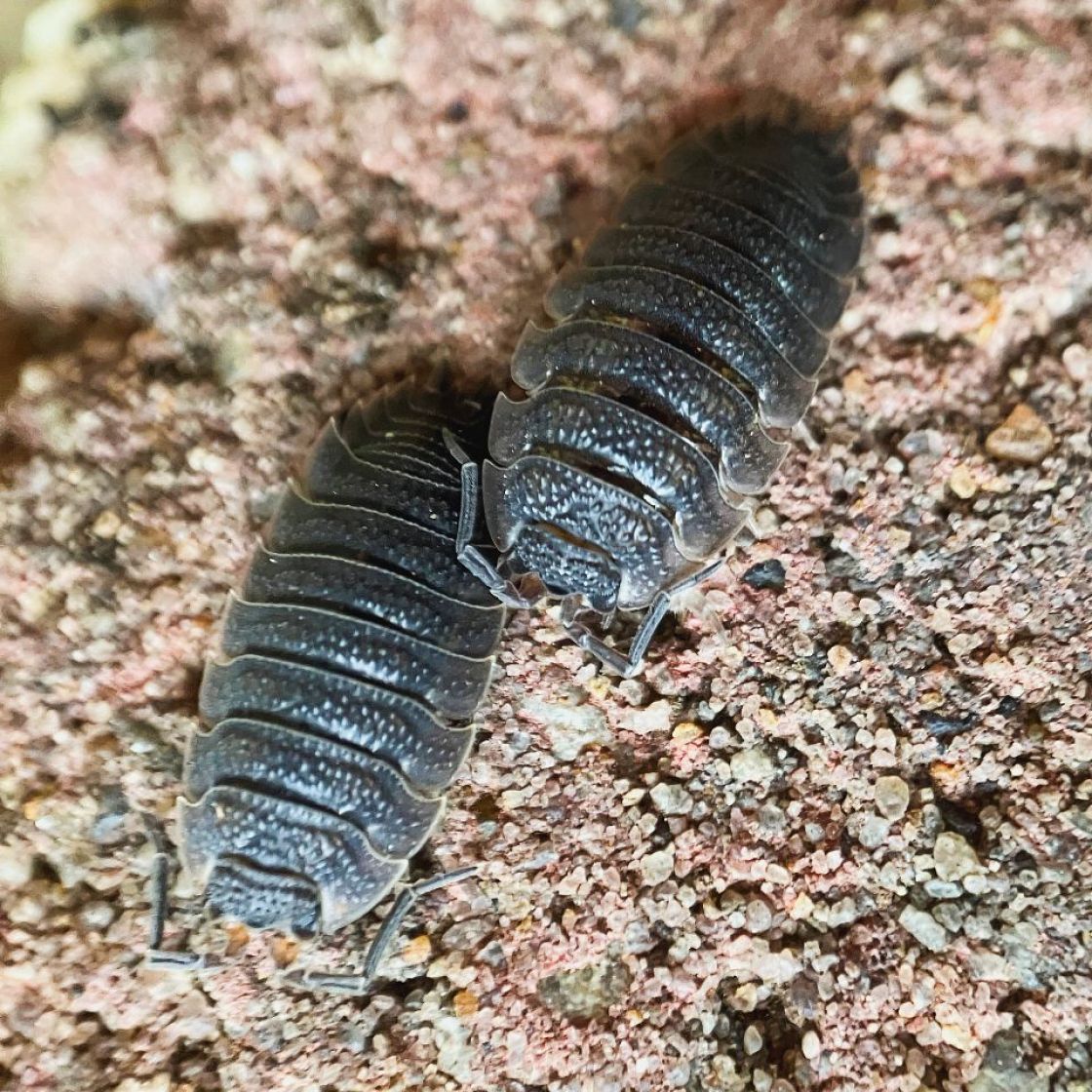
Large numbers of slaters have been reported in the South East, alongside damaged germinating wheat seed. The emerging wheat and nearby barley has ragged chewing damage on the leaf blades. This damage appears aged and has begun to heal over. Despite a thorough inspection, only slaters have been found and nothing has been spotted doing any feeding. Slaters have also been reported in large numbers around damaged emerging faba beans in the Mid North, alongside black Portuguese millipedes.
Slaters are detritivores and mostly feed on decaying vegetable matter. Although the reported incidence of slater damage to crops has grown in recent years, feeding damage on emerging crop seedlings is still relatively rare. When it does occur, feeding symptoms can look like uneven rasping (like slug and snail damage) and they can chew the tops of emerging cotyledons of seedlings, often leaving only the seedling stumps. Other damage includes ringbarking of stems and young branches.
The presence of slaters in a paddock, even in high numbers, does not always mean crop damage will occur. It is not known what makes slaters suddenly shift from eating organic matter to seedlings.
Identification
There are three known species of slaters found in broadacre situations, although they vary in their distribution:
- the common rough woodlouse (Porcellio scaber)
- the pill bug (Armadilidium vulgare)
- the flood bug (Australiodillo bifrons).
Slaters are land crustaceans that have oval-shaped bodies, often flattened. Most slaters are about 6- to 12 mm in length and dark grey in colour, but mottled colours are common. Their bodies have 14 segments, 7 pairs of legs and two pairs of antennae, though the second pair is small and hard to see.
The pill bug rolls up into a ball when disturbed, but the rough woodlouse and the flood bug cannot.
To better understand the geographic distribution of slater species that feed on crops, we're asking growers and agronomists to send in slater specimens for identification. Follow the instructions below on how to send specimens. To have a package with specimen vitals sent to you, email Maryam Ehsangar.
Monitoring and control
Slaters are mostly active at night or during moist conditions as they need this moisture to breathe. During the day, it is best to search under stubble residue, rocks, or wood, or dig up the soil with a spade. Night observations are most effectiveto confirm if slaters are feeding on crops. There are other stubble pests that may also be feeding, such as European earwigs.
Management options are limited after crop emergence, so prevention is key. Keep note of paddocks with slater problems to help inform decisions in the future. Managing stubble is likely to be the most effective strategy to reduce slater numbers.
There are very few products registered for use against slaters. See theAustralian Pesticides and Veterinary Medicines Authority (APVMA) Public Chemical Registration Information System Search for updated information.
Keep an eye out for green peach aphid
Green peach aphids (GPA, Myzus persicae) have been reported in moderate to high numbers in several regions in New South Wales, with the heaviest infestations found in early sown crops. Some fields have been showing signs of turnips yellows virus (TuYV, formerly known as beet western yellows virus) and the presence of GPA raises concerns about virus transmission. Cesar Australia has also tested canola samples and GPA from more than 25 locations within Victoria, with most of these samples positive for TuYV. Surveillance has also detected TuYv in cabbage aphids (but no GPA) in Western Australia.
Similar issues have not been reported in South Australia, and the dry SA summer climate should not enable aphid populations to develop as reported elsewhere.
Read more on current aphid and TuYV reports interstate:
- Concerns of turnip yellows virus in canola
- Paddock Practices: Growers called to monitor for green peach aphids and signs of virus
- PestFacts WA: Turnip yellows virus detected in migrating cabbage aphids
Green peach aphid and turnip yellows virus
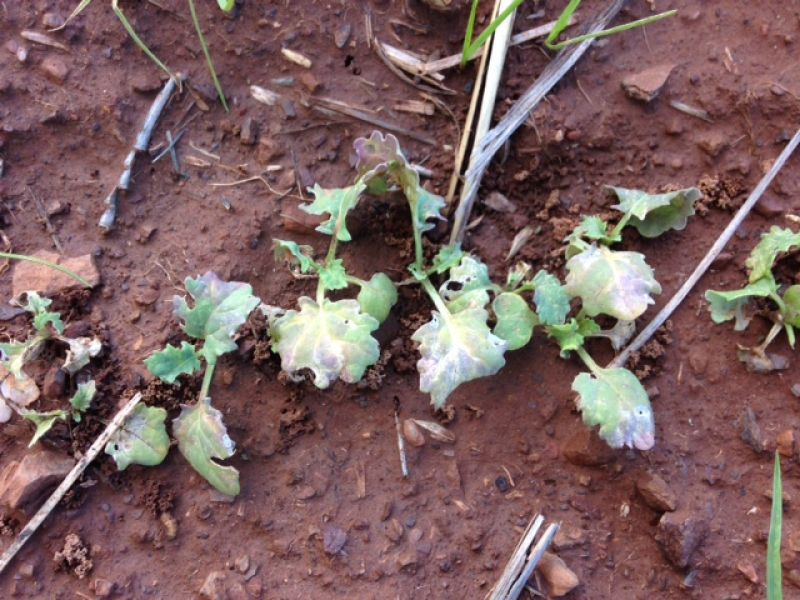
TuYV is a serious disease of canola, causing plant stunting, reddening or purpling, yellowing and stiffening of lower leaves, and can reduce crop yields anywhere from 10% to 80%. The earlier a canola plant is infected, the greater the potential yield loss. TuYV can also infect several pulse crops, including chickpeas, lentils, field peas, lupins and faba beans.
GPA are the primary vector for TuYV. Aphids acquire TuYV by feeding on an infected plant and transmit it to a healthy plant. Once acquired, the aphid carries TuYV for the rest of its life. Radish, capeweed, volunteer canola, mallow, and turnipweed are common hosts for both the GPA and TuYV.
During summer, the virus survives in green bridges, and is then carried into crops by aphids. Once a plant is infected with TuYV, there is no cure. Unlike fungal diseases, chemical treatments are ineffective against viral infections.
What to do
In virus-prone areas, growers are recommended to monitor aphid activity closely, particularly along field edges to detect aphid movement, and ensure correct identification of GPA before making any decision to spray.
Also, look out for TuYV symptoms: red, yellow, or purple discolouration, particularly on the edges of older leaves. These colours are typically more intense between leaf veins and on the upper side of the leaf.
If management is required, consider the resources available including:
- Turnip yellows virus in canola: diagnosis, epidemiology and management
- Green peach aphid best management practice guide – southern
- Beneficials chemical toxicity table
An onset of cold and wet weather conditions, however, is likely to cause aphid populations to decline. It is likely populations will drop off in the next few weeks. Minimum flight thresholds for aphids are typically around 16 to 17°C, and winged adult numbers will be low.
The GRDC National project to advance Australian virus management is currently being undertaken. This includes aphid as vectors research.
Help SARDI research: do you have any turnip aphids?
As a part of upcoming work, researcher Precious Mavende is looking for turnip aphids (Lipaphis pseudobrassicae) to start a rearing. If you are seeing turnip aphid in canola and cruciferous forage crops, or even wild radish and wild turnip, please consider sending samples.
See below for instructions for sending in samples of aphids but please address to:
SARDI Entomology Unit
Attention: Precious
Waite Building, East Wing, 1st Floor
Waite Road
Urrbrae SA 5064
Identification of turnip aphids
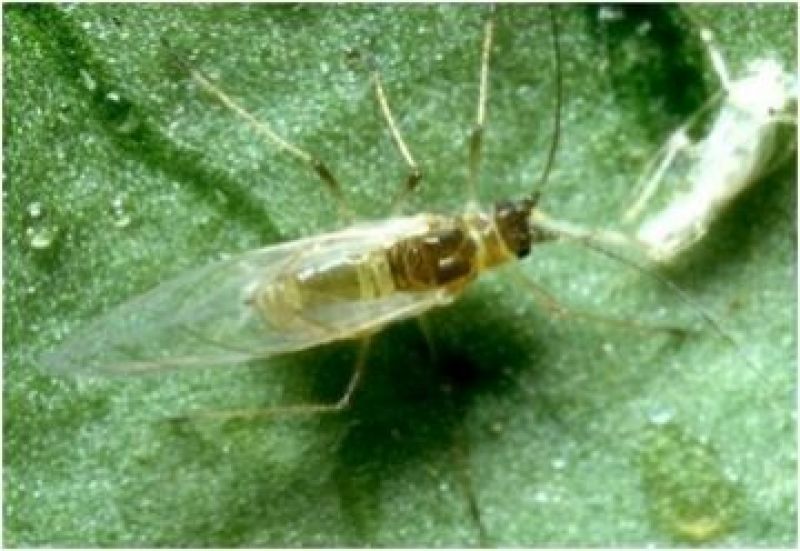
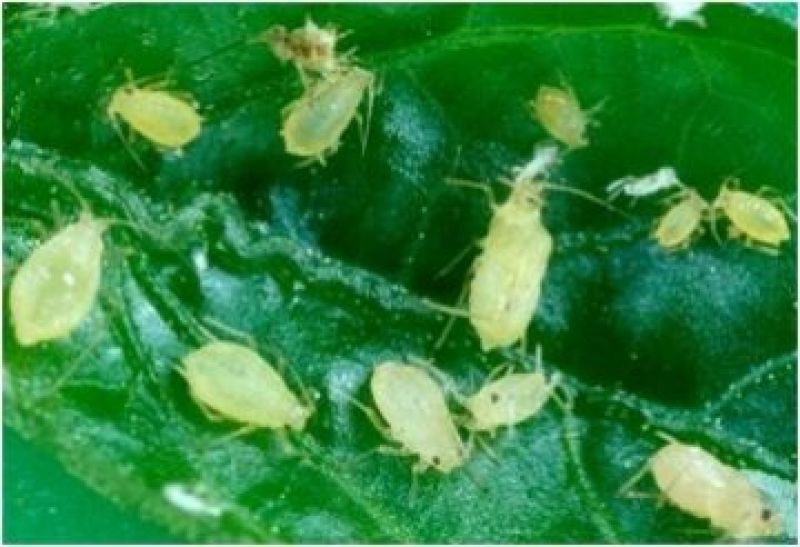
Turnip aphids grow up to 3 mm long and have an olive to greyish-green coloured body with dark bars on the abdomen. Adults can be winged or wingless, and the nymphs are similar to adults but are smaller in size and do not have wings.
They typically form clusters on canola flowering spikes in spring. Colonies are covered in a light waxy substance but are not as waxy as cabbage aphids. They are more likely to be seen late winter to early spring and are more common in districts or seasons with warm, dry weather.

Report to PestFacts
The PestFacts SA team always wants to know what invertebrates you find in your crops and pastures, whether it is a pest, beneficial or unknown – even the usual pests.
Please send your reports or identification requests via the PestFacts map.
Alternatively, please contact:
Maarten van Helden:
Phone: 0481 544 429
Email: maarten.vanhelden@sa.gov.au
PestFacts SA offers free identification of broadacre invertebrate pests to all subscribers. Have a pest identified by either:
- sending in specimens
- sending in photos.
Sending specimens
Sending live specimens for identification is the most reliable way to get a correct identification, however what happens between sending and receiving the parcel can be unpredictable. From long times in the postal system to insects eating one another, things can go wrong, but there are a few ways you can make sure the insects arrive in the best possible condition.
- Send as many individuals as you can
- The more insects you send, the more likely we will receive them in a useful state. For some species it is necessary to check multiple individuals to confirm, and in some cases, there might be many species causing damage at the same time. We recommend at least 20 individuals, but if you only have a few, it’s still worth sending them in.
- Use a sturdy, non-crushable container
- Takeaway plastic containers in post bags are often crushed in transit, ruining the specimens. Use a sturdier plastic, such as specimen vials or hard plastic containers, or send in a post box with padding.
- Contact Rebecca Hamdorf at rebecca.hamdorf@sa.gov.au to get a pack of specimen vials sent to you.
- Provide a food source
- Some insects will cannibalise each other if no other food is available. Provide some of the host plant to keep insects fed. To stop plants from going mouldy, include some tissue or paper towel in the bottom.
- Don’t punch air holes in the container
- Air holes are not necessary and provide a spot for insects to escape.
- Provide details
- The more detail about the specimens, the better. Always provide us with an indication of locality and host plant (if not otherwise obvious from the food source) and your information so we can get back to you.
- Send by express post on Monday, Tuesday or Wednesday
- To ensure the parcel isn’t delayed any longer than necessary, always send at the start of the week. Express post is preferred, to ensure it will arrive as soon as possible.
Send your specimens to:
PestFacts SA – Rebecca Hamdorf
Room E115b, Waite Main Building
Waite Road
Urrbrae SA 5064
Taking photographs
Sending photos for identification is much faster than sending in specimens, but often makes species harder to identify due to the difficult nature of photographing insects. They are small, often very mobile and the photos can end up blurry or don’t show all the identifying features. However, there are several tips and tricks that can yield better results.
- Smartphone photos
- Usually, we receive photos taken on smartphones. These can be OK as long as you are able to focus at short distances. Photos taken too close often end up blurry. Since most smartphones have a high resolution, it is better to not try and move too close, because zooming in on a sharp image afterwards works better. Also, a photo taken from a bit further away will show more of the environment.
- Use an attachable macro phone lens
- There are a wide range of attachable lenses available for smartphones, and they are an easy way to take macro photos of insects and mites with your phone.
- In previous seasons, we have been able to distinguish between redlegged earth mites and blue oat mites from a phone photo alone thanks to the GoMicro clip on phone lens.
- Provide details
- In a photo, it is always good to have some indication of scale. Get your lucky coin, pen, or pocket- knife out – anything that can give us some idea about the actual size of the insect.
- Always provide us with an indication of locality and host plant. For pest species this always allows us to narrow down the options quickly.
- Take photos of different angles
- Important identifying features can be anywhere on the insect, so by taking photos of different parts you ensure you get as many identifying features as possible. Plus, if any photos are blurry, you’ve still got plenty that can be used for identification.
You can send us your insect photos for identification by:
- tagging or messaging our Twitter account @PestFactsSARDI
- contacting Rebecca Hamdorf – phone 0429 547 413 or email rebecca.hamdorf@sa.gov.au
- contacting Maarten Van Helden – email maarten.vanhelden@sa.gov.au.
The latest information for growers and advisors on the activity and management of pests in all broadacre crops during the winter growing season.