
PestFacts 1 May 2025
Why SA can't ignore fall armyworm
The fall armyworm (Spodoptera frugiperda), an invasive pest native to the Americas, has been a growing concern for Australian agriculture in recent years. Fall armyworm, known for its rapid spread and big appetite, poses a significant threat to a wide range of crops.
In South Australia, the risk of fall armyworm establishment is considered low due to the state's cooler climate (which is unfavourable for the pest's full lifecycle) and the scarcity of susceptible summer crops like sorghum and corn. However, the recent warm and dry conditions have renewed interest in monitoring this highly mobile pest.
A similar weather pattern occurred in 2019, when dry conditions followed by patchy rainfall led to reports of armyworm activity in barley and cereal crops across several regions during early crop establishment. While confirmed detections of fall armyworm in SA remain rare, the possibility of irregular arrivals cannot be ruled out.
Particular concern this season is the potential for drought-stressed crops to respond to late rainfall with a rapid flush of green growth. This fresh vegetation may attract egg-laying female moths, providing ideal conditions for early larval development.
Regular field checks during crop establishment and after rainfall events are strongly recommended. Early detection is vital for effective management. Suspected findings should be reported to help timely interventions and prevent potential outbreaks.
Look for:
- Chewing damage on young crops, particularly maize, sorghum and cereals
- Windowing and skeletonised leaves caused by larvae
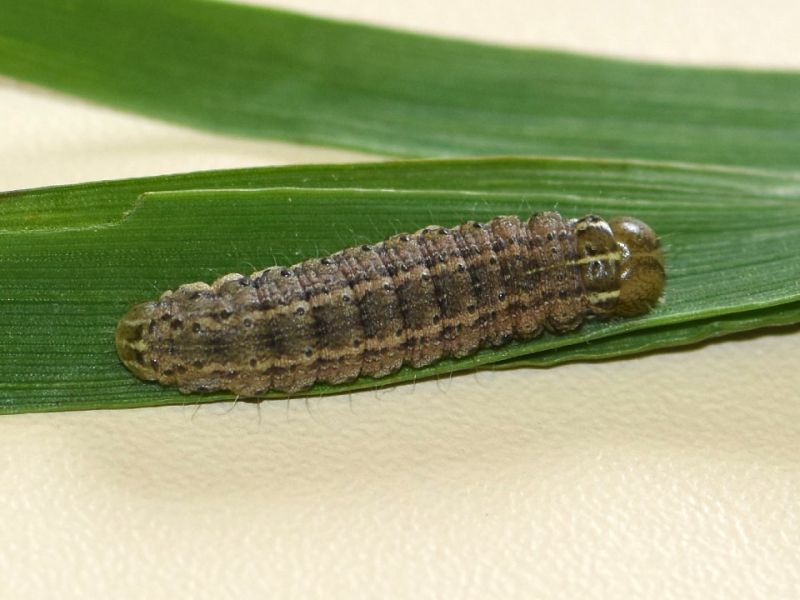
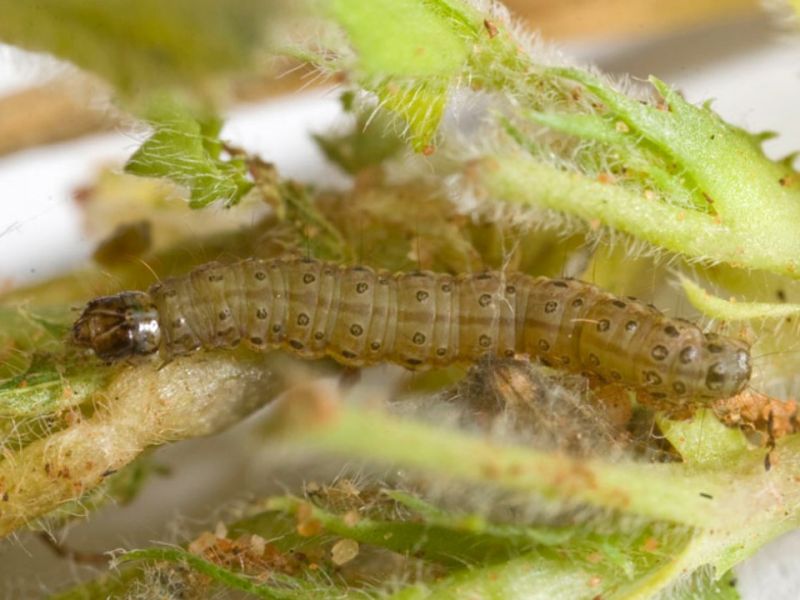
- Larvae with dark heads and four distinct spots arranged in a square on the second-to-last body segment (a key feature of fall armyworm).
For a comprehensive overview of the risks and management strategies associated with fall armyworm, watch Fall armyworm: Risks and management.
Native biopesticides offer new hope for fall armyworm control
Recent studies by CSIRO have identified native Australian fungi and bacteria as promising biopesticides against fall armyworm. These biological control agents offer an environmentally friendly alternative to chemical pesticides and could play a crucial role in integrated pest management programs. See Australian fungi and bacteria taking aim at fall armyworm.
Managing early-season Lepidoptera on weeds
As the 2025 season unfolds across South Australia, species such as diamondback moth (DBM, Plutella xylostella) caterpillars, cabbage centre grub (Hellula hydralis), and weed web moth (Achyra affinitalis) can be detected. Their early establishment on shelterbelts or around the crop edge may seem minor, but they can quickly migrate to emerging canola, pulses, or even cereals. If weeds are not effectively controlled, they act as nurseries, giving these pests a head start before the crop even goes in.
Diamondback moth
A recent report from the Riverland region has indicated that some diamondback moths have already started activity on regrowth canola from last season.
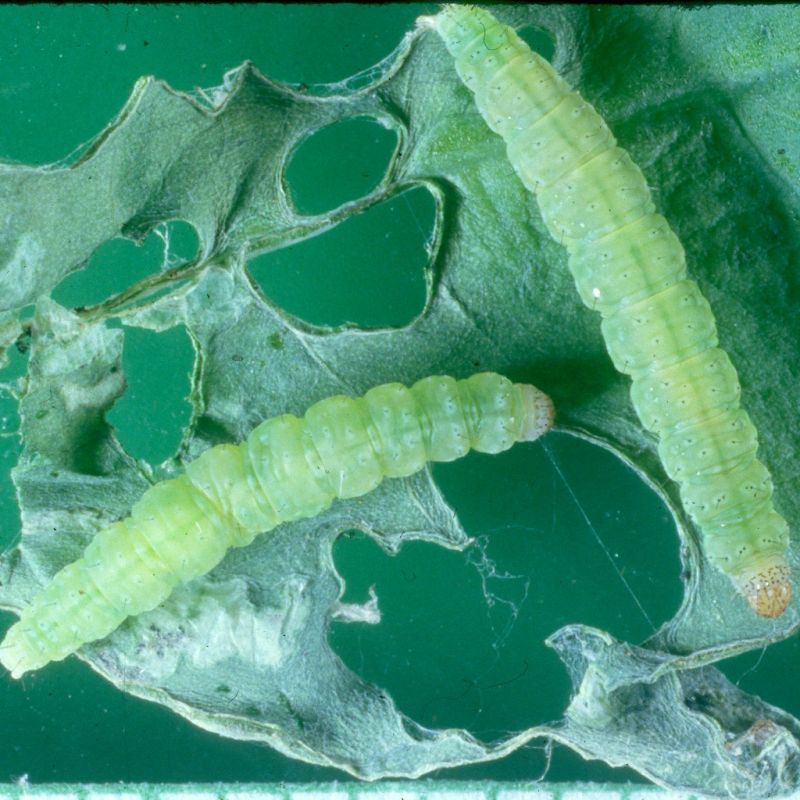
Diamondback moths are 10 mm long and grey-brown in colour with a white uneven stripe down the centre of their back. Larvae are small yellow-green caterpillars and are a major pest of canola and other brassica crops.
Brassica weeds such as Lincoln weed (wild rocket) and self-sown crops can serve as hosts for diamondback moths, allowing them to survive between growing seasons. By beating some of the weeds over a tray you can check for the presence of the caterpillars that will wriggle when manipulated.
Cabbage centre grub
Cabbage centre grub is a native moth species whose larvae can cause considerable damage to young canola and brassica crops. These pests can become more problematic during warmer-than-average seasons, particularly when early autumn rainfall creates favourable conditions for egg-laying and larval survival. In 2020, with similar weather condition to this year, cabbage centre grub was found in pasture paddocks in the southeast region of South Australia.
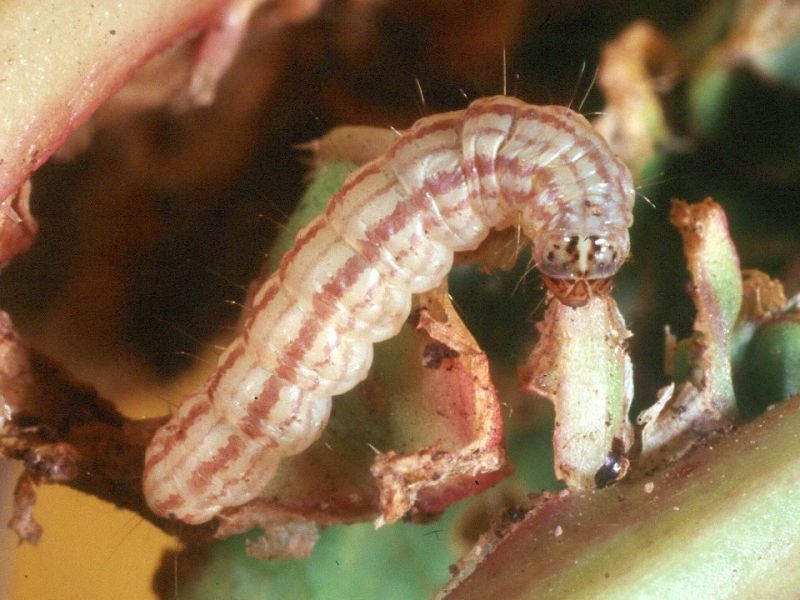
The damaging stage is the caterpillar which are smooth, light brown larvae with reddish stripes along the body and a dark head.
They feed on the soft growing tips and flowers of host plants, including canola, wild radish, wild turnip, and other brassica weeds. Feeding damage begins externally, but larvae soon bore into the central growing point of plants, causing wilting, distortion, and in severe cases, plant death.
Weed web moth
The weed web moth is a small moth with larvae that create webbing on host plants. They are often observed forming webbed masses on weeds like capeweed and volunteer cereals. This species is distributed across Australia and is commonly found in areas with abundant weed growth.
Larvae feed on the foliage of host plants, creating protective webbing as they consume leaves. They can rapidly build up populations, especially during warm and dry conditions. While primarily feeding on weeds, large populations can pose a risk to emerging crops.
In 2019, when rainfall across South Australia was below to very much below average, reports of weed web moth activity were received from the Eyre Peninsula.
Management recommendations
These Lepidoptera species are generally considered minor pests during the early establishment phase of crops. They rarely reach numbers that cause economic damage. However, under certain seasonal conditions, their impact can increase.
Seasonal monitoring is crucial, especially in warmer years when pest populations may build earlier than expected, and particularly in paddocks with dense weed growth that can serve as breeding grounds and early food sources for larvae – increasing the risk of early crop damage.
Effectively managing weed density, especially hosts like previous crop regrowth, reduces the likelihood of these pests in the field.
Recent report: Soapberry bugs
In recent weeks, high activity of soapberry bugs (Jadera haematoloma) has been reported from across South Australia. A combination of warm temperatures and dry conditions have created a favourable environment for their population growth, and they seem to be migrating in large numbers.
How to identify soapberry bugs
Soapberry bugs have a vibrant red or reddish-brown body, often with darker markings or stripes, making them stand out on their host plants. Their size varies, but they typically measure around 15 to 20 mm in length.
The adult bugs have a characteristic shield-like shape with long, slender legs and antennae. Their wings are often held flat over their bodies, and they can sometimes appear to have a slight sheen to them. The nymphs, or juvenile stages, are smaller and typically a bright orange or yellow colour, gradually turning red as they mature.
Soapberry bug hosts
Soapberry bugs are most often found on plants in the soapberry (Sapindaceae) family, particularly Alectryon species, which are their primary host plants. When observed on these plants, they can often be seen gathering in groups, especially on seeds.
Despite their striking coloration and presence on plants, these bugs are generally harmless to humans, and their feeding habits do not pose a significant risk to crops. However, their eye-catching appearance and feeding behaviour make them an interesting species to observe in the wild. See Red bug population explodes due to favourable conditions in South Australia.
Report to PestFacts
The PestFacts SA team always wants to know what invertebrates you find in your crops and pastures, whether it is a pest, beneficial or unknown – even the usual pests.
Please send your reports or identification requests via the PestFacts map.
Alternatively, please contact:
Maryam Ehsangar
Phone: 0448 010 339
Email: maryam.ehsangar@sa.gov.au
Maarten van Helden:
Phone: 0481 544 429
Email: maarten.vanhelden@sa.gov.au