
South Australia supports its regional and agricultural sectors through a wide range of programs and services. These include:
- biosecurity measures such as travel and quarantine rules
- initiatives that showcase and invest in regional communities
- advisory services for local producers.
PIRSA strengthens regional partnerships and delivers programs focused on climate adaptation and environmental management.
The agency also leads emergency and drought responses and provides funding opportunities – including grants, rebates, and subsidies – to help primary producers and regional businesses grow and recover.

SA travel rules and quarantine
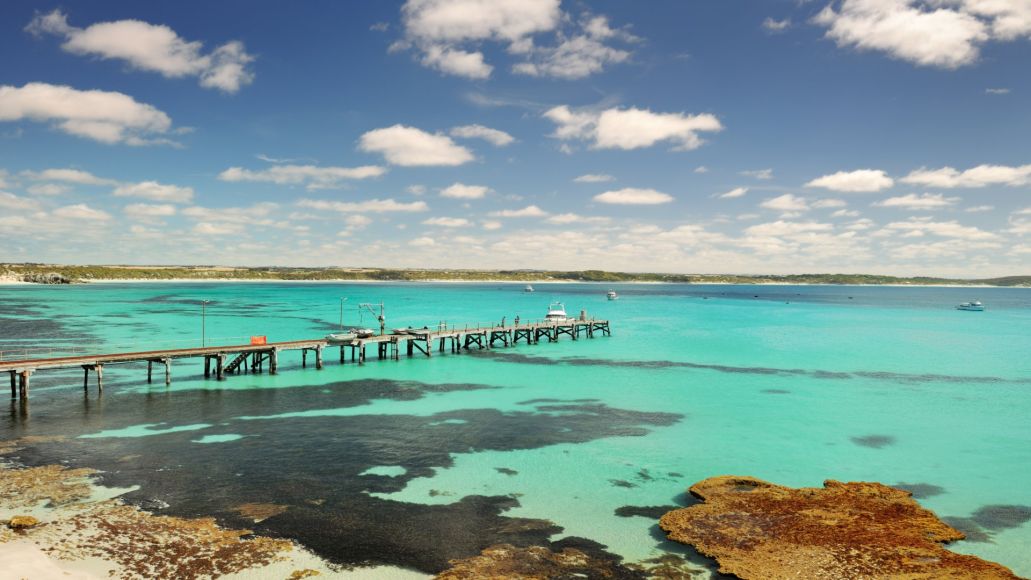
South Australia has rules on which fruit, vegetables, plants, and plant products can be brought into the state, Riverland Pest Free Area (PFA) and to Kangaroo Island.
Showcasing SA's regions
South Australia highlights the strength and importance of its regional and agricultural sectors through several key initiatives.

Investment in regions
Administering state funding for regional connectivity and Regional Development Australia initiatives, as aligned with Australian Government priorities.
Advisory and support services
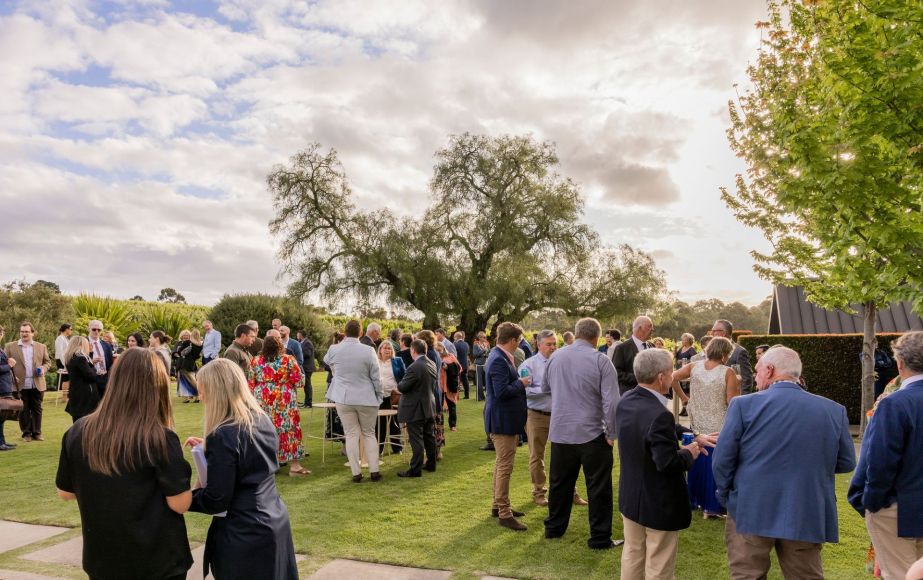
PIRSA delivers a range of funding opportunities and support services to primary producers and people based in regional areas.

Partnerships
We work to strengthen partnerships between regional communities, business, and all tiers of government to benefit regional SA.
Programs and Initiatives
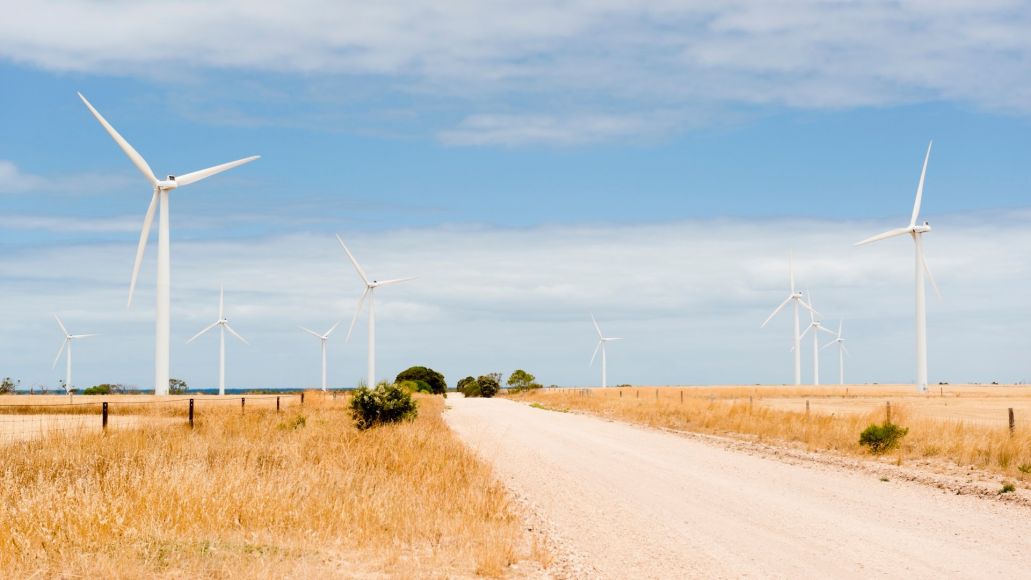
These initiatives include climate-adaptation efforts and the South Australian Soils Collaboration Centre, which strengthen environmental management.

Emergencies and recovery
The Department of Primary Industries and Regions (PIRSA) responds to emergency events across South Australia that affect the agriculture, livestock, horticulture, aquaculture, fisheries, and forestry sectors.

Drought
Drought is a recurring feature of the Australian landscape – a cycle in which we are either preparing for drought, in drought, or recovering from drought.
Apply for funding
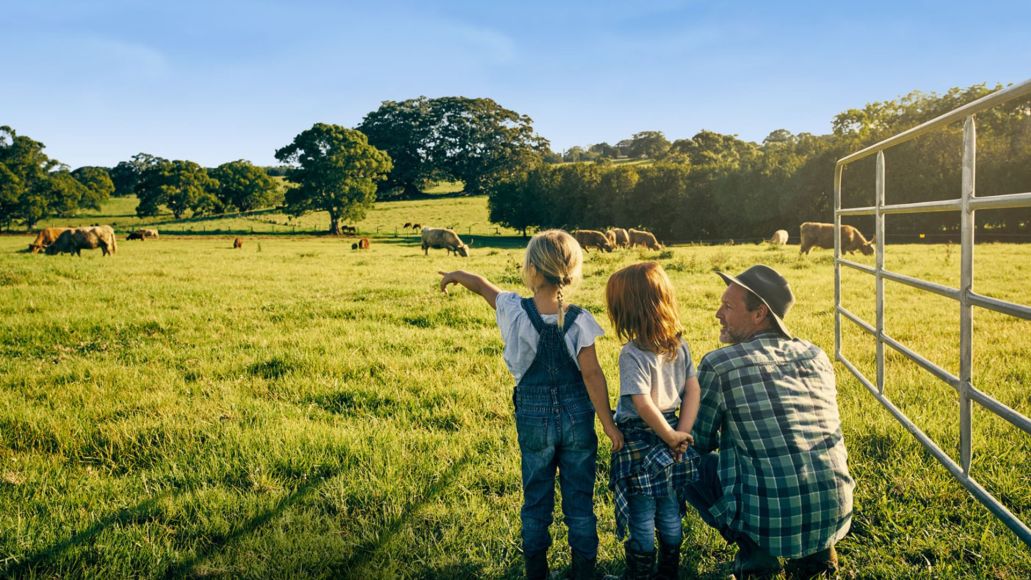
PIRSA supports funding opportunities for primary producers, regional businesses, and initiatives that benefit them. You can apply for grants, rebates, subsidies, and assistance programs that boost industry growth.
South Australian regions
State Government departments and agencies use consistent boundaries to define 12 administrative regions in SA.
The Department of Primary Industries and Regions (PIRSA) divides the state into broader areas to coordinate regional development:
- greater Adelaide
- Adelaide Hills
- Barossa, Light and Lower Light
- Eyre and Western
- Far North (Flinders Ranges, Outback, and APY Lands)
- Fleurieu and Kangaroo Island
- Limestone Coast
- Murray and Mallee (Riverland)
- Yorke and Mid North (Clare Valley).
Anangu Pitjantjatjara Yankunytjatjara (APY) Lands
The traditional Aboriginal owners have freehold title and certain rights over more than 103,000 square kilometres in the Far North, known as the APY Lands. This allows descendants from Pitjantjatjara, Yankunytjatjara, and Ngaanyatjarra to determine how the land is managed.
There are 7 main communities within the APY Lands and around 20 homelands. These support over 2,000 Anangu people who have a deep cultural and spiritual bond with their country.